Alumni
Reflections from the Crossroads: Thirteen Days Across Türkiye
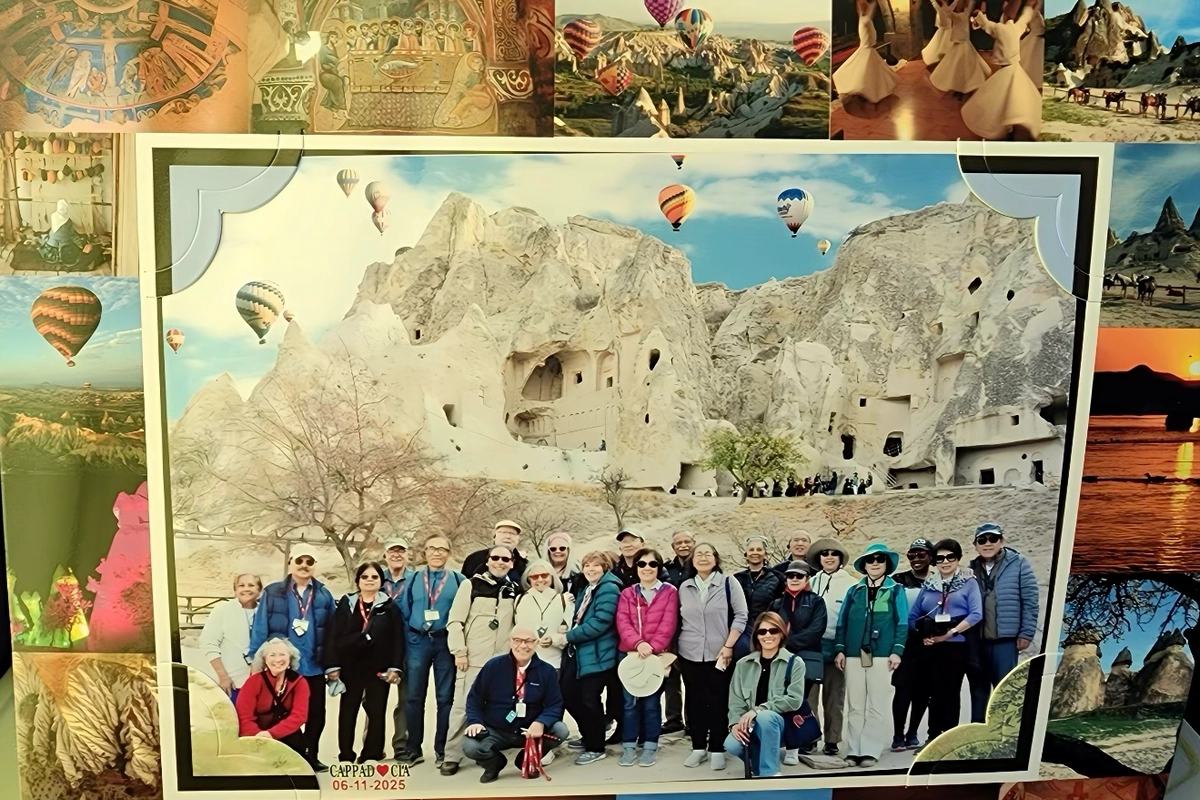
Our entire Gate 1 family gathered in Cappadocia during our unforgettable 13-Day Türkiye Adventure, framed by ancient cave dwellings and hot-air balloons drifting across the sky. A moment of camaraderie, wonder, and shared memories in one of the world’s most magical landscapes.Thelma and I stand together on the far left, while Ding and Will complete the frame on the far right.
Chapter I — Istanbul: Where Empires Meet
Morning broke over Istanbul with a soft radiance that seemed to rise from the Bosphorus itself. The meeting of continents revealed its quiet poetry in the shimmering embrace between Europe and Asia, where domes and minarets emerged through a veil of early mist. The scent of roasted chestnuts drifted from street vendors while the first call to prayer echoed through Sultanahmet Square, a gentle invocation that set the tone for the day’s unfolding.
Behind us rose the magnificent silhouette of Hagia Sophia, its massive central dome and reddish stone walls bearing witness to fifteen centuries of devotion and empire. Built in 537 A.D. as a Byzantine cathedral, later transformed into an Ottoman Mosque, then a museum, and now once again a functioning mosque open to all, it stood as a living testament to humanity’s enduring search for meaning.
Sunlight brushed its ancient stones with gold, and for a moment, the entire square felt suspended in time.
The Blue Mosque — A Symphony of Stone and Light
Our journey began at the Blue Mosque, officially known as the Sultan Ahmet Camii, whose six elegant minarets pierced the morning sky. As we crossed its vast courtyard, the soft echo of distant prayer followed us like a blessing.
Inside, thousands of Iznik tiles shimmered in delicate shades of blue, their patterns forming a quiet geometry of devotion. Light filtered through stained-glass windows and fell upon polished marble floors, transforming the interior into a sanctuary of harmony. Thelma, Ding, Will, and I paused in the stillness, feeling that beauty itself can become a form of prayer.
Hagia Sophia — Whispers of Eternity
Leaving the Blue Mosque, we crossed to Hagia Sophia, the eternal sanctuary that has crowned emperors and sultans for centuries. Beneath its vast dome, soft shadows played across mosaic angels, and the faint glimmer of gold reminded us of the countless lives and prayers that have filled this space.
Here, history did not feel distant. Instead, it converged in a single breath: the cross and the crescent, Byzantium and Ottoman splendor, humanity’s longing for the divine. Reflection came easily beneath that grand dome, where the architecture itself asked us what it means to build toward heaven.
The Hippodrome — Echoes of Empire
A short walk brought us to the Hippodrome, once a roaring arena of chariot races and imperial ceremony. The granite Obelisk of Theodosius, older than Istanbul itself, rose from the ancient platform like a stone memory.
Standing at the Hippodrome, I imagined the thunder of horses, the cheers of multitudes, and the political drama that once played out in this open space. Yet today, only children’s laughter and the flutter of pigeons filled the square, a reminder that even the most powerful empires eventually give way to gentler rhythms.
Topkapi Palace — Heart of an Empire
By mid-afternoon, we passed through the imposing Imperial Gate of Topkapi Palace, the seat of Ottoman sultans for four hundred years. Its courtyards, pavilions, and treasury chambers revealed a world where power, culture, and refinement intertwined.
Inside the Imperial Hall, where sultans once received the Valide Sultan and favored consorts, every detail spoke of artistry: intricate tilework, gilded calligraphy, and domed ceilings that reflected centuries of ceremony.
Beyond the palace walls, the Bosphorus stretched into the distance, continents mirrored upon its shifting surface. Standing on the terrace, I sensed that Istanbul was less a city than a conversation between eras, cultures, and ideals.
Reflection — Gathering Light
As dusk fell, the call to prayer drifted across the water like a benediction. Thelma and I lingered with Will and Ding, watching the city soften into evening glow. The great monuments were no longer just structures; they had become living expressions of faith, resilience, and the human desire to leave behind traces of light.
In that quiet moment, I understood why Istanbul has endured for so long. It gathers light from everyone who enters, only to scatter it back into the world.
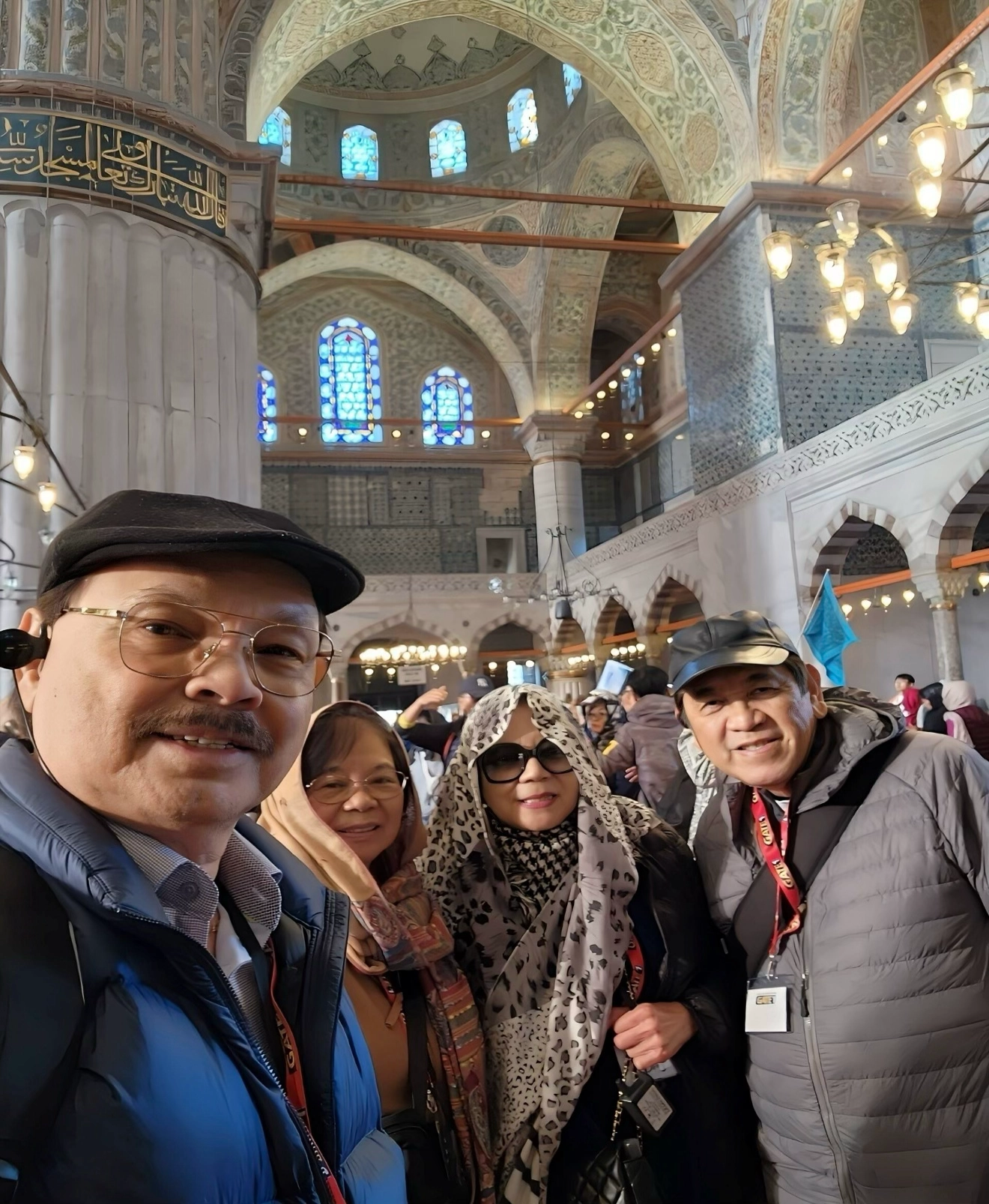
Inside the Blue Mosque: Thelma, Ding. Will and I paused in reverence, sensing that beauty itself can be a form of prayer. Chapter II — Troy: Legends and Echoes of War
Across the Dardanelles — A Passage Through Legend
Morning light shimmered across the Dardanelles Strait, that narrow ribbon of water where Europe reaches toward Asia. As our coach ascended the approach to the 1915 Canakkale Bridge, the world’s longest suspension bridge, its elegant span appeared like a stroke of steel linking continents. Crossing it felt less like travel and more like stepping through a threshold between eras.
On the opposite shore lay Canakkale, gateway to the ancient world of Troy. Here, stories once thought mythical were rooted in the soil, their echoes waiting among the stones.
Arrival at Troy — Where Myth Meets Earth
We arrived under a high sun that cast long shadows across low hills layered with the remnants of nine ancient cities, each built upon the ruins of the last. These levels of settlement—Hittite, Mycenaean, Roman—formed a living archive of more than three millennia.
Walking along the exposed walls and weathered gates, I felt the presence of countless generations. Once-impenetrable fortifications now open to the sky, softened by wildflowers and olive trees. What had endured was not destruction, but resilience.
Serdar, our Gate 1 Tour Manager, gently reminded us that Troy was a palimpsest, its history repeatedly rewritten as civilizations rose, flourished, and fell. The ground we walked on has witnessed the victories and sorrows of countless people whose names have faded from memory.
The Trojan Horse — A Symbol That Endures
In the nearby square stood the famed Trojan Horse, its massive wooden form towering above visitors. Though modern, it remains a powerful emblem of strategy, myth, and the timeless allure of Homer’s narrative.
Thelma and I stood beside Will and Ding Vicuña, smiling beneath the afternoon sun. The moment was playful, yet the symbol behind us carried centuries of storytelling. The horse is not merely a relic of legend—it is a reminder of the imagination’s ability to outlive stone and conquer time.
Among the Ruins — The Quiet Voice of History
As I lingered among the crumbled stones, I realized that Troy’s spirit does not reside in conquest. It lives in the human ambition to build, dream, and begin again. Olive trees swayed gently in the breeze, and the land felt peaceful, as though time itself had exhaled after centuries of conflict.
Here, myth and memory walk side by side. The poets gave us gods and heroes, but the earth offered something more profound: the truth that civilizations endure not through war, but through the quiet persistence of life.
Reflections — Endings That Become Beginnings
Standing at the edge of the archaeological site, I felt the presence of the past, not as a distant echo but as a living reminder. The ruins revealed that every ending—no matter how dramatic—contains the seed of a beginning.
From the broken walls of ancient Troy to the rising skyline of modern Canakkale, humanity continues its search for meaning and renewal. And as the afternoon light softened into gold, I realized that Troy teaches us not about the glory of victory, but about the courage to rebuild.
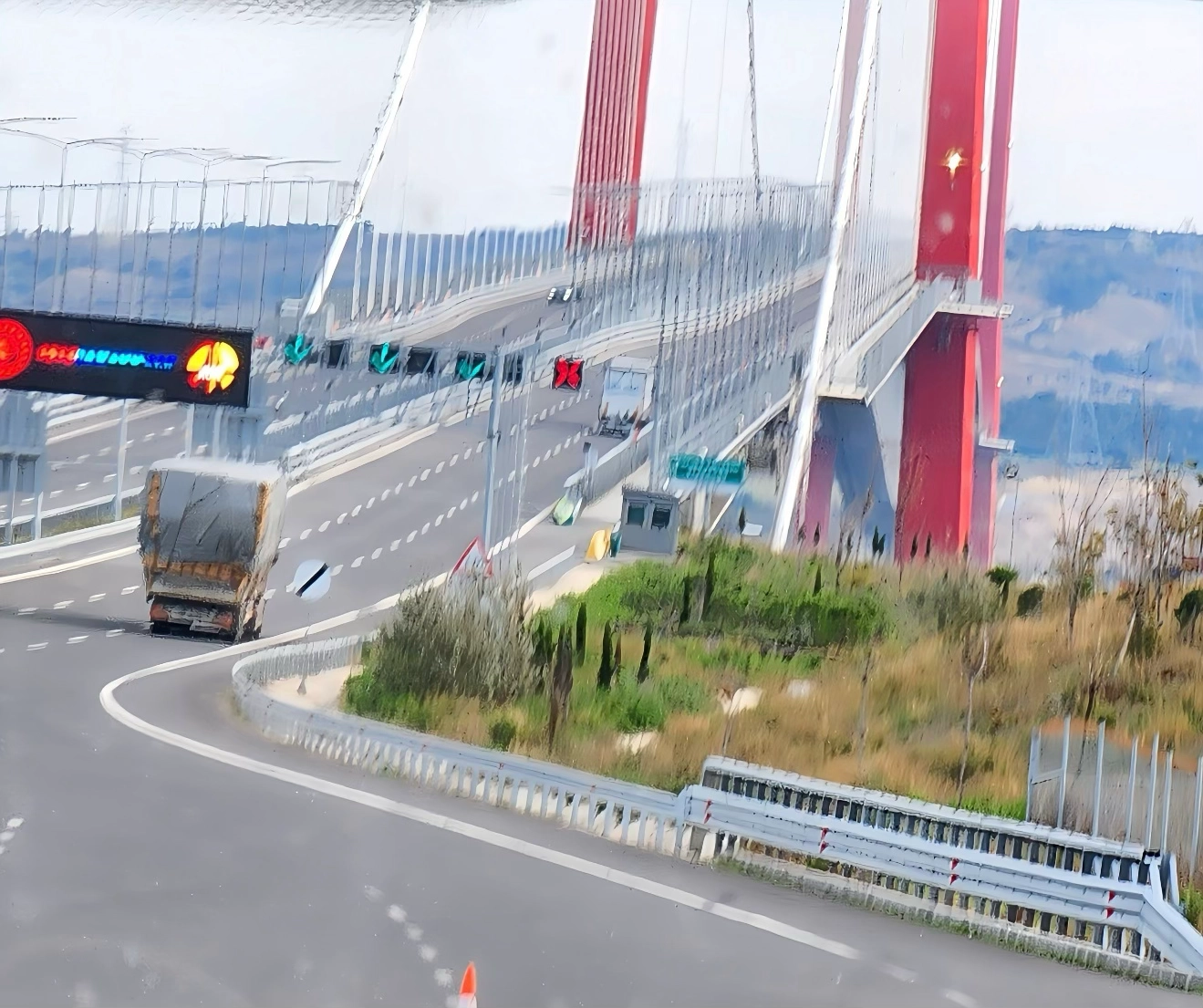
Crossing the magnificent 1915 Çanakkale Bridge, the world’s longest suspension bridge, we soared over the Dardanelles Strait in a single sweep of steel and symbolism, a graceful link between Europe and Asia.
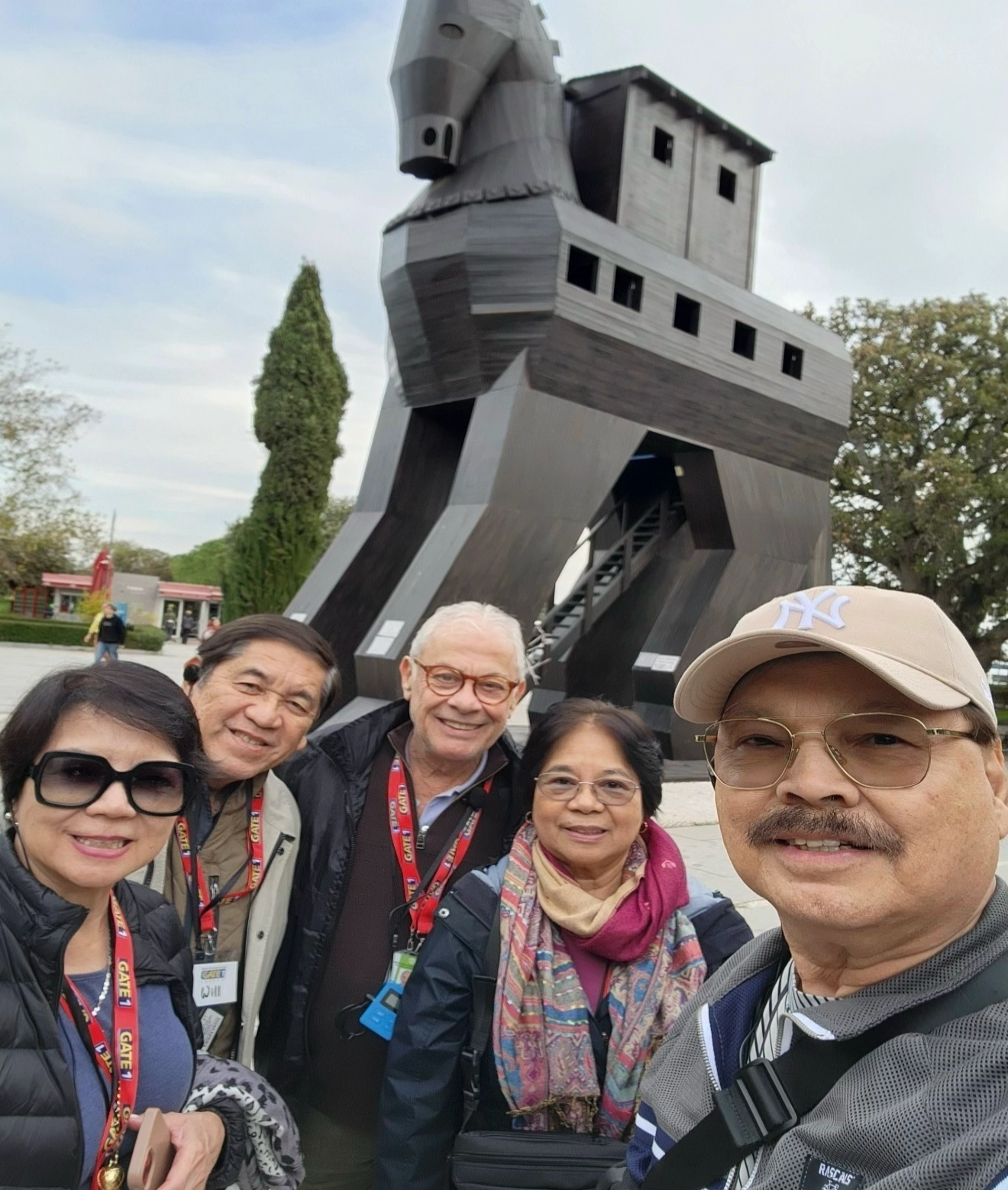
Ding, Will, Serdar our Travel Manager, Thelma, and I stand proudly before the iconic Trojan Horse — a moment where history, friendship, and adventure come together in Troy.
Chapter III — Pergamon and the Asklepion: Healing and Knowledge in Antiquity
On the Road to Pergamon — Through the Quiet Heart of Anatolia
As we departed Canakkale, the road carried us through rolling fields brushed with olive groves and touched by the soft shimmer of the Aegean sun. Shepherds tended their flocks on distant slopes, their movements slow and timeless, like scenes lifted from antiquity. The countryside invited reflection, reminding us that civilizations come and go, yet the land remains a patient storyteller.
The Citadel of Pergamon — Legacy on a Hill
Arriving in Pergamon, we ascended toward the ancient Acropolis, once home to a magnificent library rivaling Alexandria and to altars, temples, and terraces that proclaimed the city’s grandeur. Even in ruin, Pergamon’s heights command a sweeping view of the Bakırçay plain below—a view that once inspired philosophers, scientists, and rulers who shaped the course of Hellenistic culture.
Standing at the summit, I imagined scholars debating beneath marble porticoes, artists crafting statues that honored gods and heroes, and pilgrims climbing these steep paths seeking wisdom. Time may have softened the edges of Pergamon’s stones, yet the power of the place endures.
The Asklepion — Sanctuary of Healing
Descending into the valley, we reached the Asklepion, one of the ancient world’s most revered healing centers, dedicated to Asclepius, the god of medicine. This sanctuary was far more than an early hospital; it was a temple of knowledge, where holistic healing blended science, ritual, and spiritual insight.
We walked along the Sacred Way, lined with graceful columns that once welcomed pilgrims seeking relief from illness or sorrow. Alongside natural remedies, people participated in sacred baths, engaged in dream therapy, and practiced guided introspection within both courtyards and designated treatment areas.
Here, healing was not only physical, but it was also transformative.
Whispers from the Tunnels — The Path to Renewal
The vaulted tunnels beneath the Asklepion carried a stillness that felt almost sacred. Patients once slept here in darkness, waiting for dreams believed to offer divine guidance. Emerging into the circular treatment hall, shafts of sunlight pierced the roof like silent blessings.
In that brilliance, dust motes danced in the air as if carrying the memory of ancient prayers.
I was impressed by how well people in ancient times grasped the link between the body, mind, and spirit. Their wisdom echoes even now in modern medicine’s growing recognition that healing must address the whole person.
A Legacy of Compassion and Knowledge
As we wandered through the colonnades, we passed signs pointing to the theater, the library, and the sacred tunnels that once formed the complex. These simple markers hinted at a sophisticated world where inquiry and compassion walked hand in hand.
Pergamon’s flame of enlightenment may have flickered across the centuries, but it has never gone out.
Reflections — Where Wisdom and Mercy Meet
When we finally looked back at the Asklepion glowing in the afternoon light, I felt a sense of humility. The sanctuary revealed a simple truth: knowledge and empathy are twin pillars of healing. One without the other is incomplete.
And so, we left Pergamon not just informed but deeply moved—reminded that humanity’s search for understanding is most powerful when guided by care.
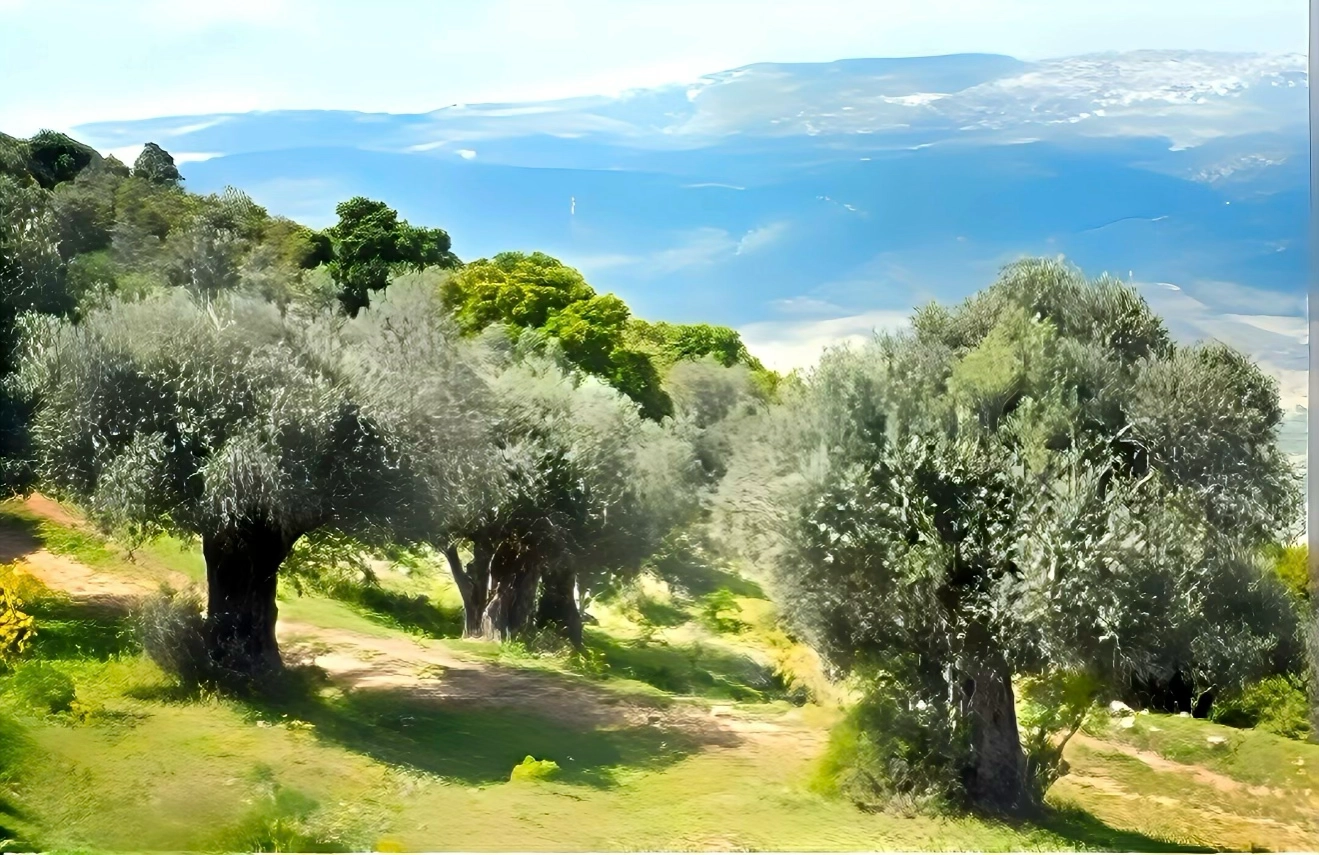
Rolling hills along the highway to Pergamon, dotted with olive trees.
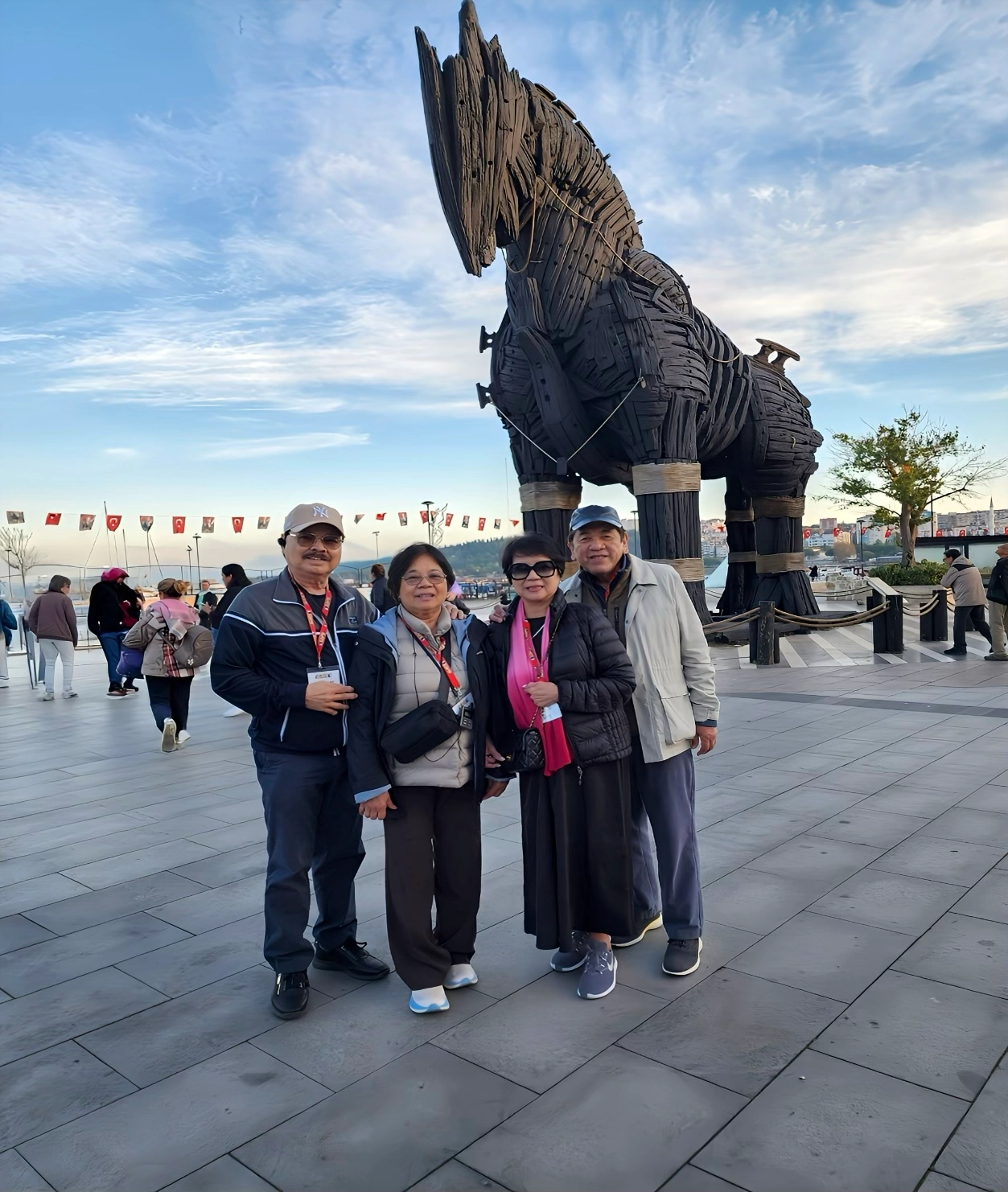
Standing before the towering Trojan Horse from the Brad Pitt film Troy — a striking movie prop later donated to the people of Çanakkale, where legend, cinema, and history now meet.
Chapter IV — Ephesus and Kusadasi: Stones that Speak of Civilization
Journey to the Aegean Coast — Where Ancient Winds Still Whisper
The road to Ephesus carried us through fertile plains warmed by the Aegean sun. Fig orchards and olive groves stretched across the valleys, their leaves shimmering like silver under the clear morning light. Red-tiled villages nestled on the hillsides, each one a quiet echo of centuries of settlement.
By the time we reached Kusadasi, the sea glittered like polished glass. Fishing boats bobbed gently at the harbor while cruise ships towered behind them, old and new worlds sharing the same horizon.
Ephesus — A City Carved from Civilization’s Memory
We entered Ephesus through the upper gate and began our descent along the marble Curetes Street, its polished stones still bearing the faint grooves of countless ancient footsteps. The ruins revealed a city that once ranked among the greatest of the Roman world—cosmopolitan, sophisticated, alive with culture and commerce.
Columns framed the avenue, their shadows stretching across the marble like the bars of an ancient sundial. Ornamental fountains, statues of deities, and remnants of noble houses lined the street, each whispering a fragment of the civilization that once thrived here.
Ahead, framed perfectly in the descending path, rose the radiant facade of the Library of Celsus.
The Library of Celsus — A Testament to Human Genius
Standing before the Library was like encountering a masterpiece. Its two-tiered facade glowed softly in the sunlight, the restored Corinthian columns lifting their graceful lines toward the sky.
Built in honor of Tiberius Julius Celsus Polemaeanus, this structure was both a library and a monumental tomb—a rare fusion of intellect and memorial. More than twelve thousand scrolls once rested inside, protected by ingenious double walls that regulated temperature and humidity.
The statues adorning its niches—Wisdom, Knowledge, Intelligence, and Virtue—spoke not only to the qualities of Celsus, but to the values that shaped Ephesus itself.
Even in ruin, the Library of Celsus radiates a kind of gentle majesty. In its presence, I felt the weight and wonder of humanity’s pursuit of learning.
The Great Theatre — Echoes of a City’s Voice
At the base of Mount Pion, the Great Theatre of Ephesus opened like a vast limestone shell. Carved into the hillside, its steep stone tiers once held more than 24,000 spectators who gathered for drama, debate, and ceremony.
This was the same theatre where orators stirred crowds, where philosophers shared their teachings, and where, according to tradition, the Apostle Paul preached to the Ephesians.
The Temple of Artemis — A Sacred Shadow of Grandeur
Once considered one of the Seven Wonders of the Ancient World, the Temple of Artemis stood near Ephesus in breathtaking splendor. Today, only a single reconstructed column remains, rising quietly from an open field.
Yet the space still hums with memory. Even in its absence, the temple inspires reverence—proof that greatness can outlast its physical form.
Life in Kusadasi — Where the Present Meets the Past
By late afternoon, we returned to Kusadasi. From our hotel balcony at the Charisma Deluxe Hotel, Thelma and I watched the Aegean Sea shift from blue to gold as the sun slipped behind the horizon.
A gentle breeze carried the scent of salt and blossoming shrubs. The waves whispered against the shore below, and for a moment, time felt suspended.
Reflections — Stones That Remember
Ephesus did not speak loudly; it spoke deeply. Ruins were not relics of a forgotten world but reminders that beauty, wisdom, and creativity are the true legacies of civilization.
As I stood among the marble columns, I felt a quiet continuity with those who came before us—the scholars, artisans, merchants, worshippers, and dreamers who shaped the city.
The tools of our age may be different, but the longing remains the same: to build something meaningful, to leave behind a trace of who we were.
That night, with the moonlight dancing on the Aegean waves, I realized that the value of travel comes not from how far we go, but from how deeply those moments touch us and shape who we become.
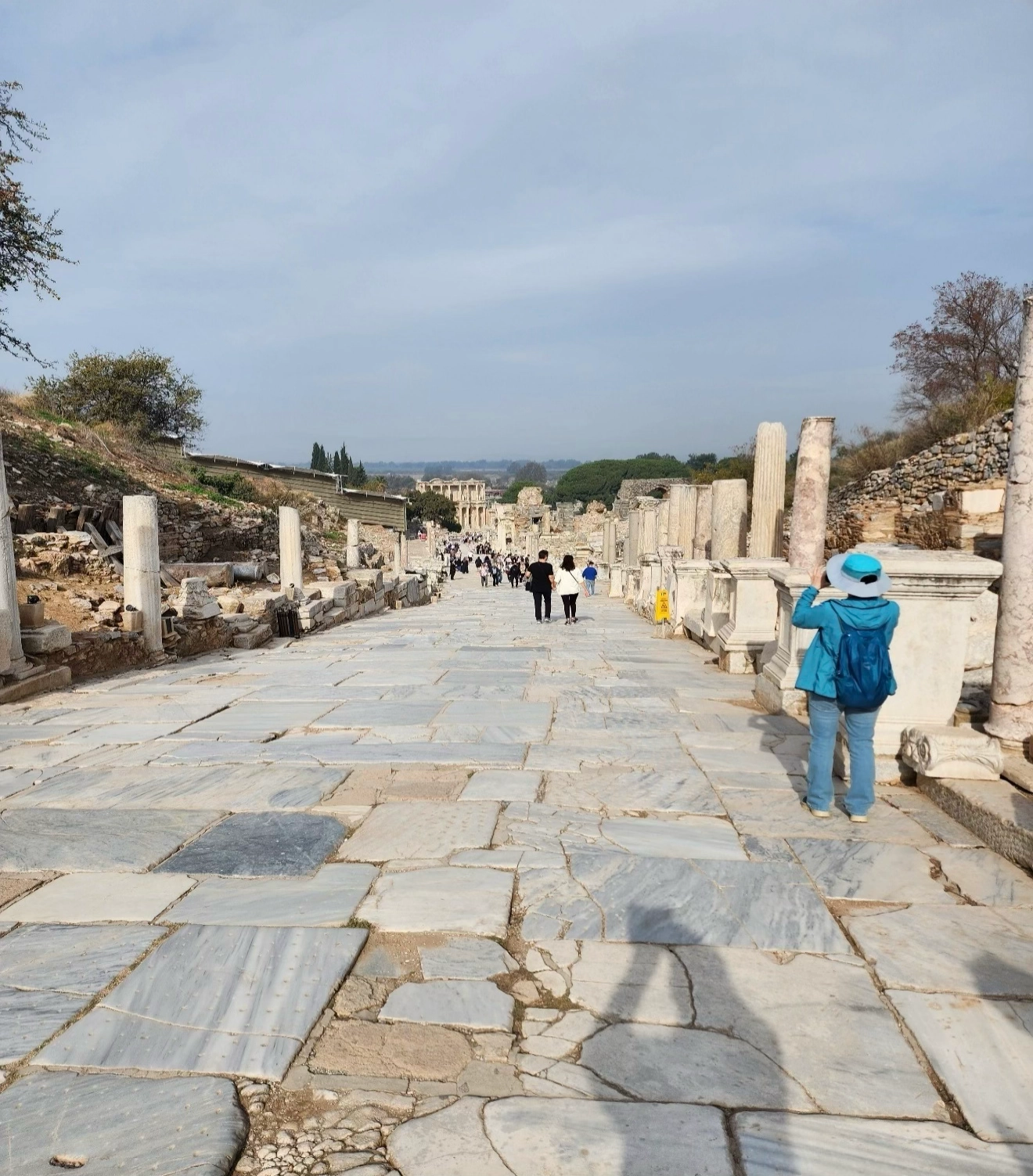
Looking down Curetes Street toward the magnificent façade of the Library of Celsus, one can almost hear the echoes of ancient footsteps on the polished marble stones.
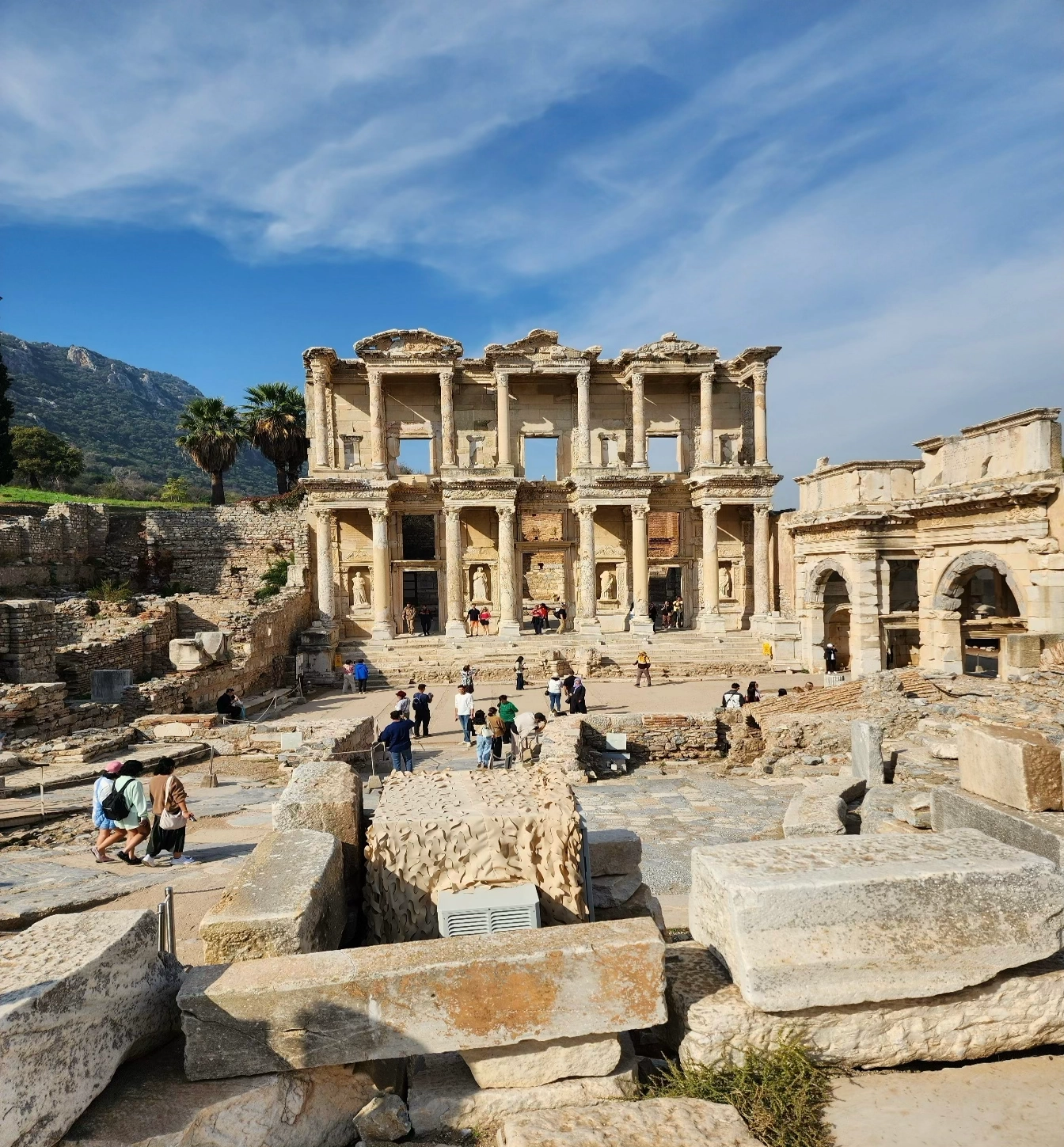
The Library of Celsus, a radiant jewel of Ephesus built in honor of the Roman senator Tiberius Julius Celsus, stands as one of the city’s most magnificent landmarks. Its ornate façade, with graceful Corinthian columns and sculpted niches, once sheltered.
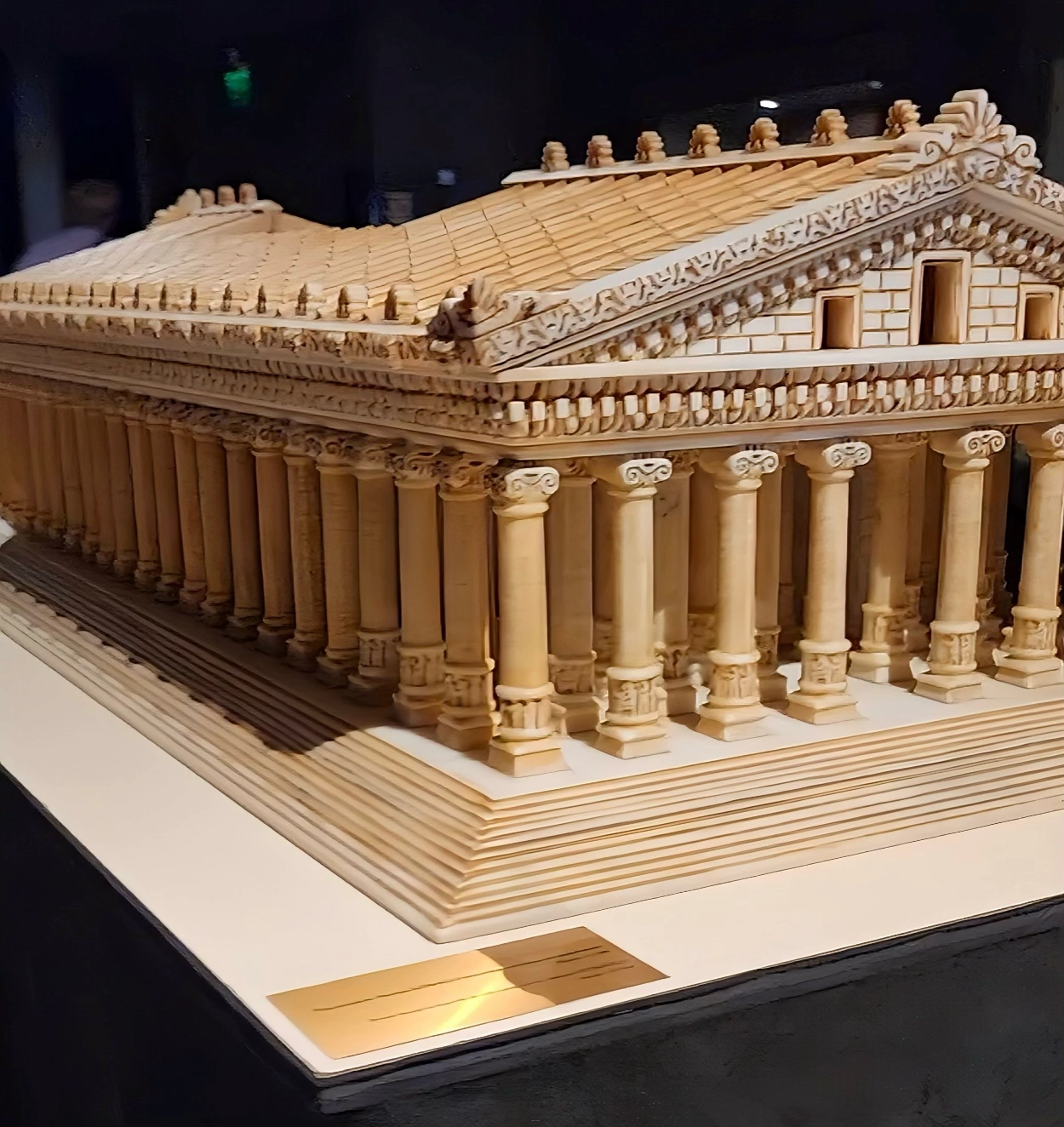
A detailed scale model of the Temple of Artemis, captured at the museum, reveals the grandeur of one of the Seven Wonders of the Ancient World. Its elegant columns, intricate friezes, and timeless architectural harmony brought vividly to life in miniature form.
Chapter V — Pamukkale and Hierapolis: The Cotton Castle and the Holy City
Through the Valley of Springs — Toward a Landscape of Light
Leaving Kusadasi, our journey traversed inland through fertile valleys framed by distant snow-capped mountains. Vineyards and farmland stretched across the earth in soft shades of green and gold, their quiet rhythm broken only by the occasional village rising modestly from the plains.
Long before we arrived in Pamukkale, its white terraces announced themselves on the horizon—an otherworldly gleam, as though clouds had drifted down to rest upon the hillside.
Pamukkale — The Cotton Castle of Living Stone
Arriving at the terraces was dreamlike. Calcium-rich water spilled over the cliffs, leaving behind brilliant layers of travertine that formed pools cascading down the slope like frozen waterfalls.
The sunlight caught the mineral deposits and scattered across the surface in soft, luminous reflections. It was as if nature had sculpted a monument to purity.
Visitors walked barefoot along the warm pools, their feet sinking into the smooth, chalk-white surfaces. For thousands of years, visitors have sought healing at these mineral springs. As I experienced their soothing warmth, I realized that people throughout history have shared the same longing for renewal.
Hierapolis — City of Gods, Saints, and Seekers
Above the terrace lies Hierapolis, a Greco-Roman city founded upon sacred springs. Its streets once echoed with merchants, priests, Romans seeking relief, and pilgrims hoping for miracles.
The ruins stretch across a broad plateau: temples, baths, basilicas, and colonnaded streets that testify to a city both worldly and sacred.
Most striking of all was the Necropolis, one of the largest ancient cemeteries in Anatolia. Thousands of sarcophagi and tombs line the old road, each shaped by devotion, grief, or hope.
There was no heaviness here, only serenity. Even in death, Hierapolis whispered renewal.
Among the Tombs — Where Silence Speaks of Faith
Walking through the Necropolis, I felt the presence of lives shaped by longing—not for conquest or fame, but for healing and peace.
There were tombs that resembled temples; others were simple stone chambers eroded by centuries of wind. Cypress trees swayed gently above them, their tall silhouettes cast against the golden afternoon light.
Thelma, Will, and Ding walked quietly a few steps ahead. Something about Hierapolis encouraged reflection, an invitation to listen inwardly.
Healing Waters, Ancient and Eternal
We visited the Basilica Bath, where ancient visitors once immersed themselves in mineral-rich pools believed to cleanse both body and spirit.
Steam still rose faintly from the waters, carrying the scent of minerals. Their warmth reminded me that healing, whether physical or emotional, has always been a central part of human existence.
As twilight approached, we watched the terraces glow in hues of ivory and silver. The pools reflected the sky, and for a moment, earth and heaven seemed to meet.
An Evening of Rest — A Modern Sanctuary
We ended the day at the Colossae Thermal & Spa Hotel, where the quiet elegance of the space offered its own gentle comfort. After a long day of walking, I treated myself to a Swedish massage, a modern echo of the ancient healing practices we had just witnessed.
The warmth of the spa, the calming scent of oils, and the quiet of the evening deepened the sense of renewal that Pamukkale had awakened.
Reflections — The Purity of Endings
Pamukkale taught me that beauty and healing often come from the simplest elements—earth, water, and time. The terraces may erode and reform, but the springs continue to rise, just as civilizations rise and fall yet leave behind traces of their spirit.
As I stood on the bright hillside, it struck me that life builds on each experience, with memories glowing most brightly when we remember them with gratitude.
As night settled over the valley, I understood why this place has drawn seekers for millennia. Pamukkale is more than a wonder; it is a reminder that even the quietest places can hold the deepest truths.
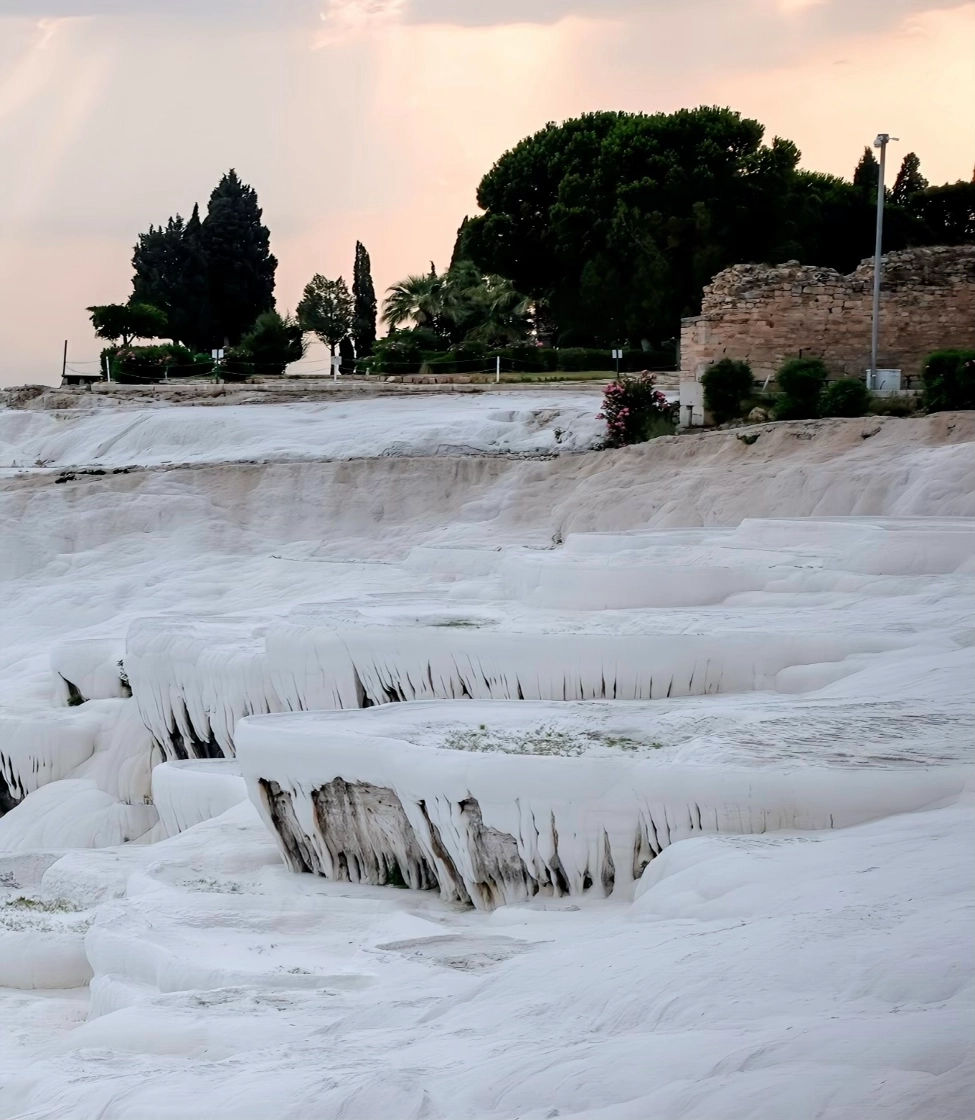
The gleaming white terraces of Pamukkale, sculpted by mineral-rich hot springs, lie below the ancient ruins of Hierapolis, where nature and history meet in a quiet, timeless embrace.
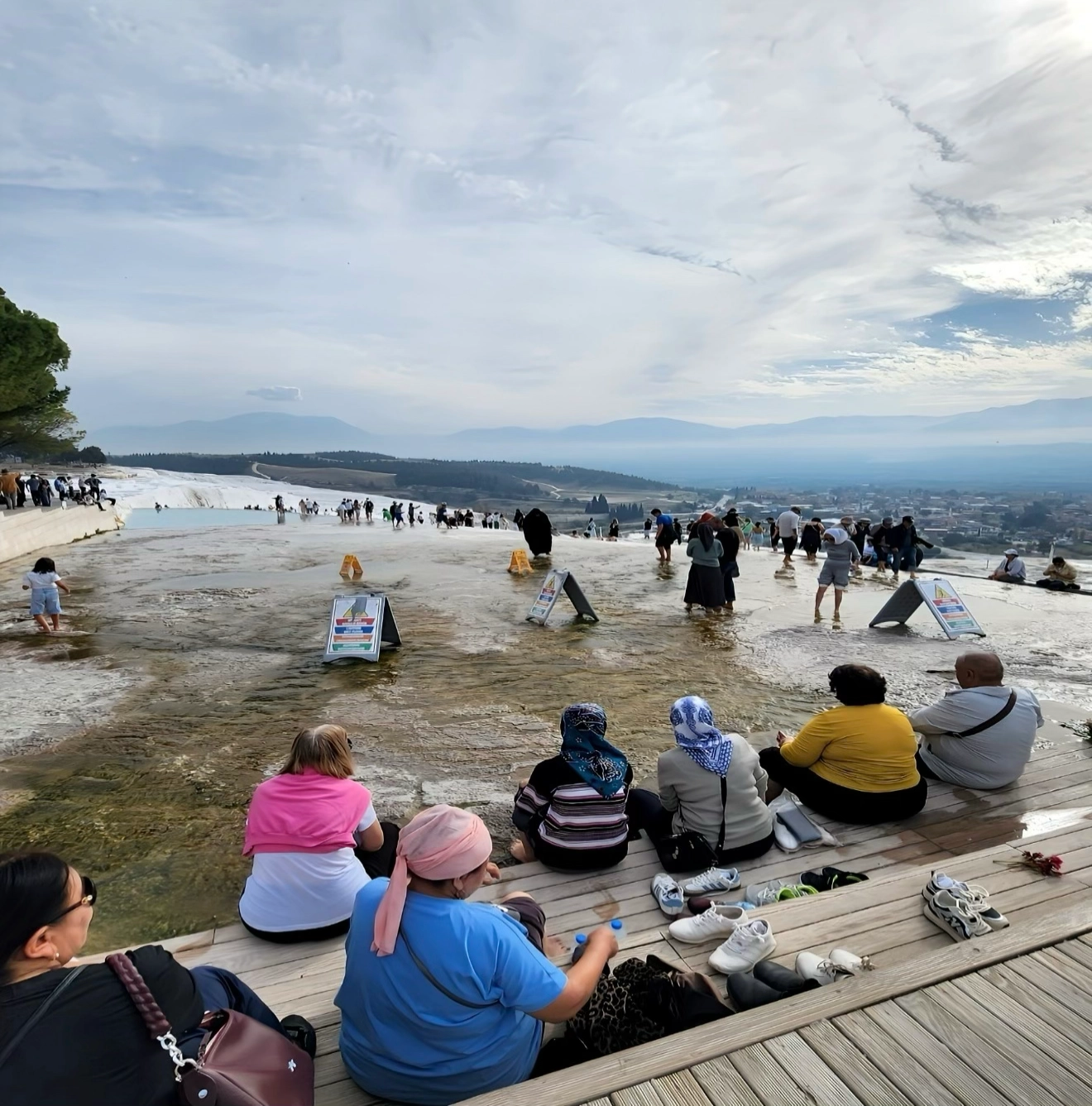
Visitors wade through the thermal pools of Pamukkale’s travertine terraces, where the soothing waters of this “Cotton Castle” have drawn travelers seeking wellness since ancient times.
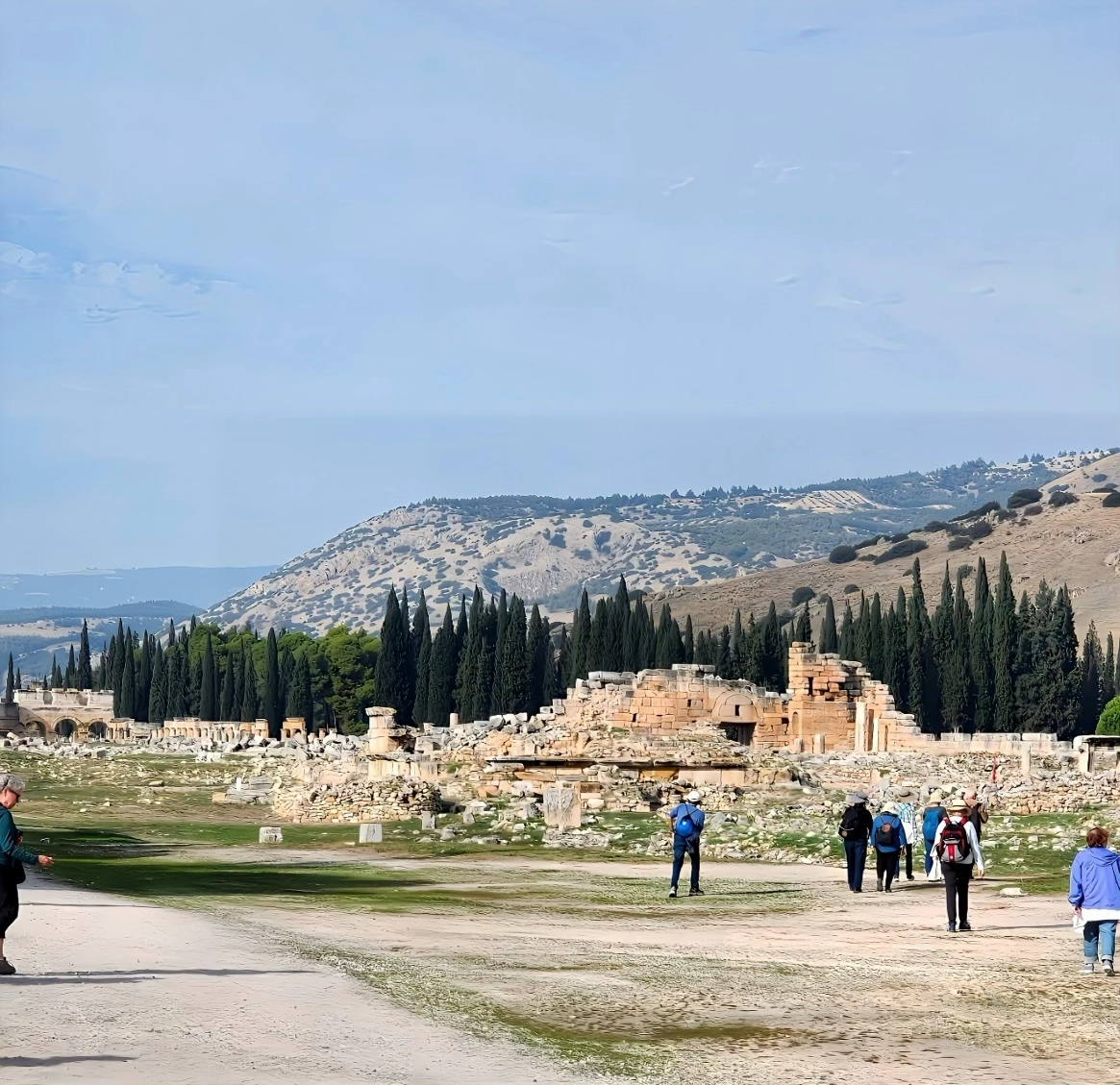
The ancient Necropolis of Hierapolis, where thousands of sarcophagi and tombs line the sacred road, stands as a silent testament to the once-thriving Greco-Roman city beside Pamukkale’s shimmering terraces.
Chapter VI — Konya: The Mysticism of Rumi and the Whirling Dervishes
The Road to Konya — Through the Heart of Anatolia
We departed Pamukkale under a soft morning sky, the road stretching before us like a ribbon laid gently across the golden plains. The landscape unfolded in quiet majesty—fields of wheat swaying in the breeze, solitary trees etched against the horizon, and small villages gathered around slender minarets.
Somewhere along the journey, the motion of the coach took on a meditative rhythm. The vastness of the land seemed to still the mind, preparing us for a city shaped not by empires, but by spirit.
Konya awaited us, known for its poetry, devotion, and mysticism.
The Mausoleum of Mevlana Jalaluddin Rumi — A Sanctuary of Love
The turquoise dome of the Mevlana Museum rose like a beacon as we entered the city. Its distinctive color—neither sky nor sea but something between—seemed to signal a crossing into a gentler realm.
Visitors moved with quiet reverence through the gates. There were pilgrims, while others followed their own paths, all drawn by the enduring influence of Mevlana Jalaluddin Rumi—a 13th-century mystic whose wisdom still inspires people worldwide.
Inside the museum, manuscripts, musical instruments, and prayer robes painted a vivid portrait of the Mevlevi Order, whose devotion gave birth to the Whirling Dervishes. The space glowed softly, lit by stained glass and the warm sheen of polished wood.
When I stood before Rumi’s sarcophagus—draped in green velvet and crowned with an ornate turban—an unexpected stillness settled over me. I remembered the inscription:
Do not seek our tombs on this earth; our true resting place is in the hearts of the enlightened.
In that moment, the lines between past and present seemed to blur. Rumi’s presence felt near, not as a relic of history but as a gentle teacher whispering across centuries.
The Whirling Dervishes — Dance as Devotion
Although we did not attend a live Sema ceremony that evening, memories of past performances and recordings came to mind. In Konya, the Whirling Dervishes are not performers—they are practitioners of a sacred ritual, their spinning a form of prayer.
With arms open, one hand turned upward to receive divine grace and the other downward to share it, they spin in serene circles, embodying Rumi’s belief that movement can carry the soul toward union with the Infinite.
The dance is not spectacular; it is a surrender.
Even watching it on film once left me with the sense that stillness lies at the heart of every turn.
Dinner and Quiet Reflection
The Dedeman Konya Hotel received us warmly after a day rich with meaning. Dinner felt unhurried, the soft hum of conversation blending with the calm that Konya seems to impart to every visitor.
Later, from the high floors of the hotel, Thelma and I gazed out over the city lights shimmering like scattered jewels. The energy of Konya was different, gentle, steady, contemplative.
Below us, the traffic circles glowed in soft loops, mirroring the very motion of the Dervishes.
Reflection — The Turning Within
Rumi wrote, “ What you seek is seeking you.” In Konya, that truth felt alive.
Travel, like the whirling ritual, is a turning outward into the world and inward into oneself. Each step reveals something new; each moment invites something deeper.
Konya reminded me that the journey of the spirit does not require grand monuments. Sometimes it unfolds in quiet places, in gentle teachings, and in the stillness that follows a day touched by grace.
Before leaving, I realized something straightforward: wisdom comes not from relentless pursuit but from being receptive, and peace is not a final goal; it is a change in one's attitude.
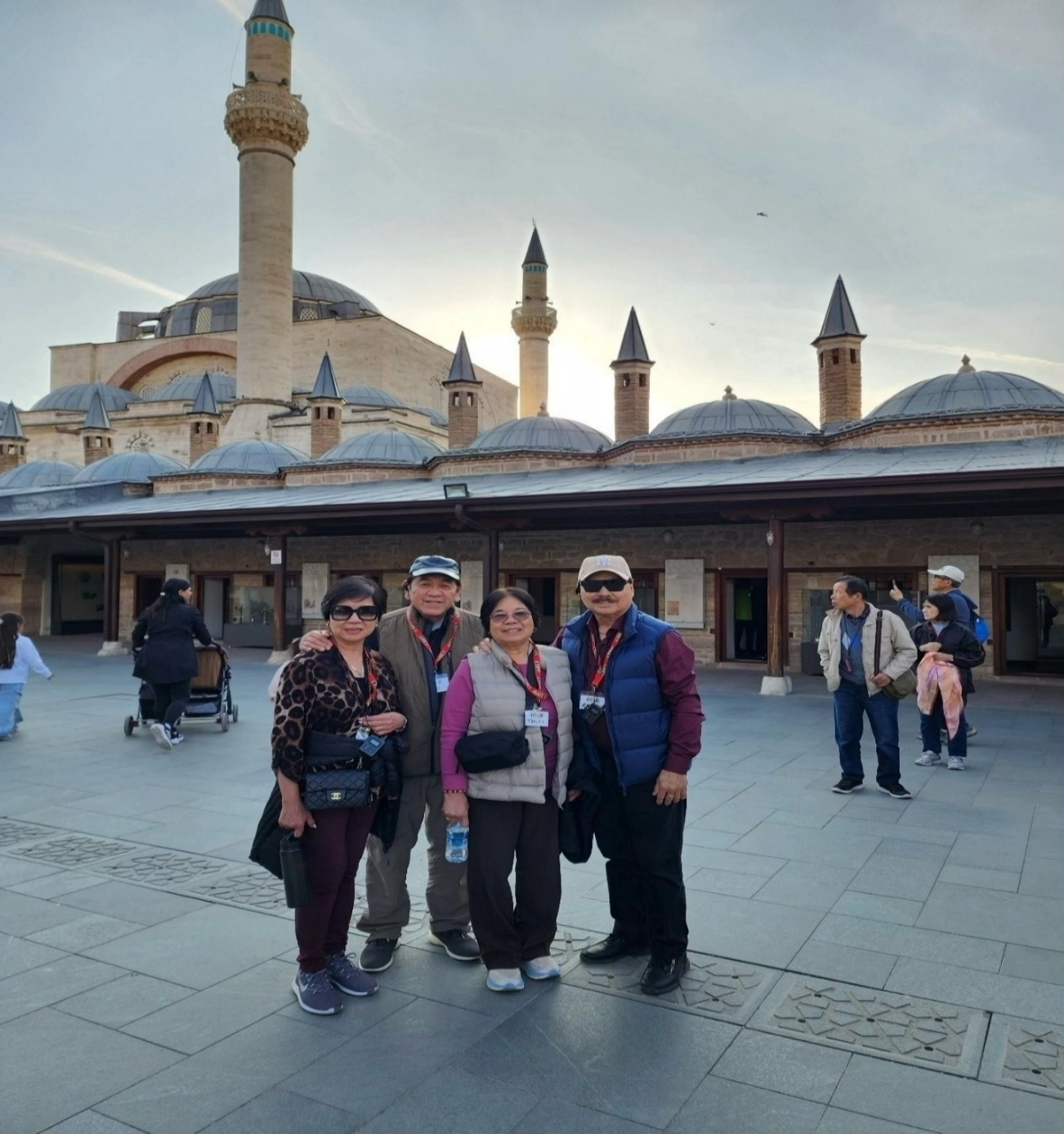
In front of the Mausoleum of Mevlana Jalaluddin Rumi in Konya, Ding, Will, Thelma, and Edwin pause for a photo at this sacred site where poetry, faith, and mysticism meet. The serene domes and minarets of Rumi’s resting place stand as symbols of divine l
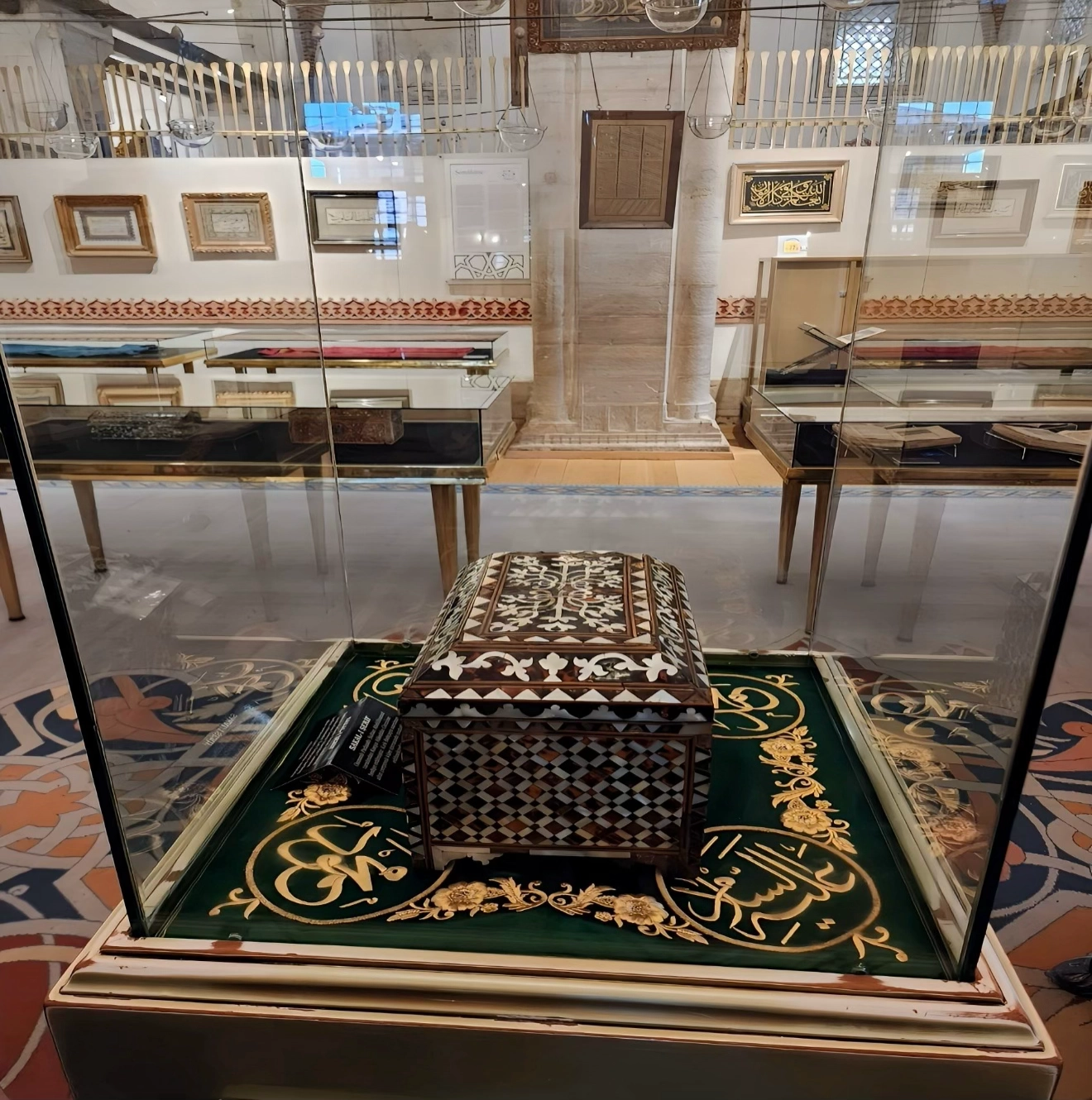
An intricately inlaid reliquary chest displayed inside the Mevlana Museum in Konya, believed to have safeguarded sacred relics and manuscripts of Rumi’s era. Its delicate mother-of-pearl patterns and calligraphic adornments embody the devotion and artistry of the Mevlevi tradition.
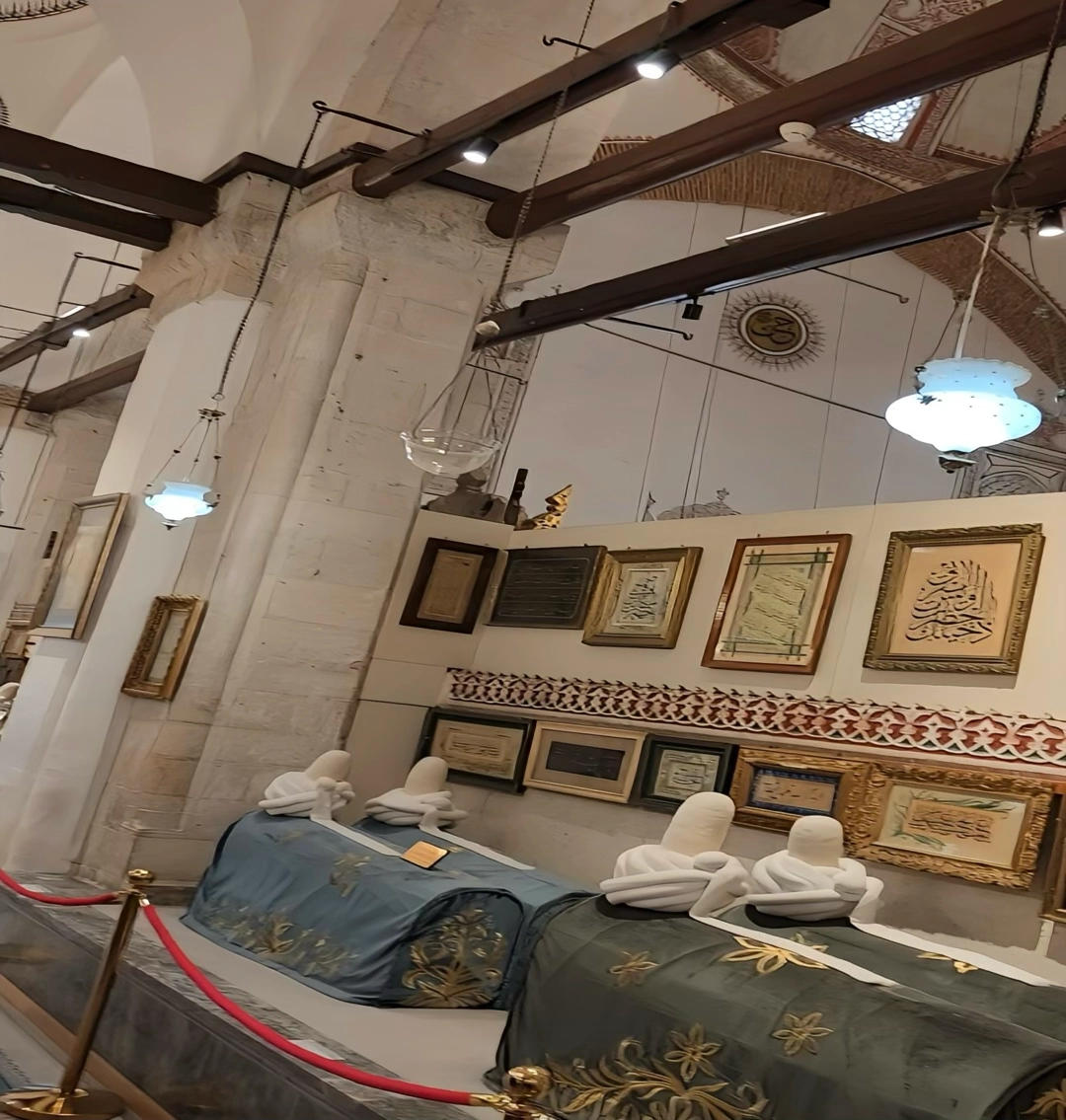
Inside the Mevlana Museum in Konya, Türkiye, also called the Green Dome or Kubbe-i Hadra, lie the tombs of Mevlana Jalaluddin Rumi and his closest disciples.
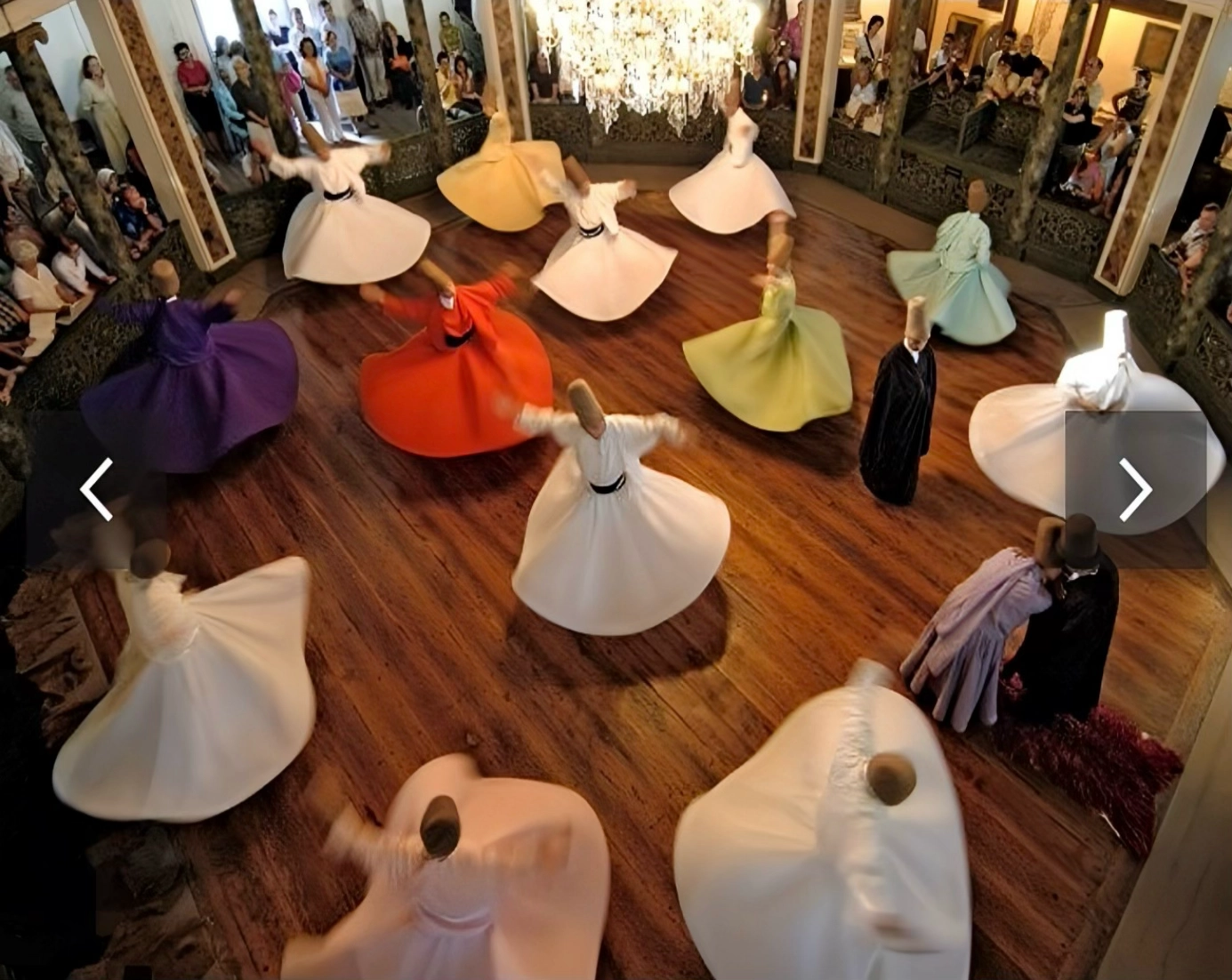
A Whirling Dervish in mid-turn, his white robe unfurling like a flower of light as he circles the hall in the sacred Sema. One hand reaches upward to receive divine grace, the other opens toward the earth to share it with all creation. With each rotation, he sheds the weight of the self, entering a state of remembrance and unity that lies at the heart of the Mevlevi tradition.
Chapter VII — Ankara: The Spirit of a Nation
From Konya to the Capital — Across the Timeless Plains
We departed Konya under a wide Anatolian sky, the morning sun spreading slowly across plains the color of burnished gold. The land seemed like endless rolling fields dotted with herds of sheep, solitary farmhouses, and villages gathered around slender minarets. The scenery felt both ancient and alive, as though the earth itself held the memory of civilization’s long past.
Along the way, we stopped in Avanos, where expert potters shaped clay with movements passed down through generations. Their hands turned the spinning wheel with a grace born of heritage, the clay rising steadily beneath their touch. This highlights that preserving culture requires more than just monuments—it also involves sustaining traditional crafts and passing skills down through generations.
Anıtkabir — The Mausoleum of Mustafa Kemal Atatürk
By mid-afternoon, we reached Ankara, Türkiye’s modern capital. Rising above the city like a monumental hymn stood Anıtkabir, the mausoleum of Mustafa Kemal Atatürk, founder of the Turkish Republic. Even from afar, its bold lines and vast courtyard commanded a reverent silence.
Walking up the ceremonial avenue, we joined visitors from every corner of the country, schoolchildren holding small flags, elders walking slowly with deep regard, families pausing for photos as if paying tribute to an ancestor.
Inside the Hall of Honor, Atatürk’s marble sarcophagus rested in solemn dignity. The vastness of the space, the symmetry of the columns, and the golden inscriptions of his words created an atmosphere that felt both majestic and deeply personal.
In that moment, standing among strangers united by gratitude, I sensed the heartbeat of a nation—one built on courage, vision, and unyielding hope.
The Museum of Anatolian Civilizations — The Cradle of History
From Anıtkabir, we descended the hillside to one of the world’s great museums: the Museum of Anatolian Civilizations. Housed within restored Ottoman buildings, the museum traces humanity’s presence in Anatolia from the Paleolithic era to the dawn of the classical age.
Inside, softly lit galleries displayed artifacts crafted by Hittites, Phrygians, Urartians, and Neolithic communities. Sun discs, royal seals, stone reliefs, and ceremonial vessels revealed a timeline stretching back more than ten thousand years.
Standing before these ancient works, I felt a profound continuity. Here, in a single museum, was the narrative of humanity’s early striving—the slow shaping of culture, belief, and identity.
Ankara, I realized, is more than a political capital. It is the guardian of the nation’s memory.
A Fond Farewell to Companions
It was in Ankara that we bid farewell to Will and Ding Vicuña, who needed to depart early for their return to Las Vegas. We said goodbye with heartfelt handshakes, laughter, and a gentle appreciation for the time we shared.
Travel deepens friendship in ways ordinary days cannot. Though our paths parted, the journey still carried their presence—in the stories we had shared, and in the lightness they brought to our days.
Their early departure added a tender note to the evening, a reminder that every journey has its own rhythm, each person moving at the pace life requires.
Evening in the Capital — A City of Light and Resolve
As dusk settled, Ankara’s skyline shimmered—a tapestry of modern towers, ancient citadels, and the illuminated domes of Kocatepe Mosque. From our hotel, Thelma and I watched the city unfold beneath us, its lights rising to meet the violet sky.
Dinner was calm, unhurried—an unspoken invitation to absorb all we had witnessed throughout the day. Ankara held a different kind of beauty: not ornate like Istanbul or mystical like Konya, but steady, dignified, and resolute.
Reflection — The Heartbeat of a Nation
Living in Ankara showed me that a nation's character is shaped by much more than its successes alone. This is rooted in respect for our predecessors—celebrating the accomplishments of past heroes, acknowledging ancestors who shaped history, and recognizing generations committed to building a better future.
Inside the Museum of Anatolian Civilizations, I understood something quietly profound: history is not distant. It walks beside us, whispering reminders of who we were and who we may yet become.
And as evening settled over the Turkish capital, I felt a renewed respect for the people who shaped this land—a people whose spirit, like their history, remains unbroken.
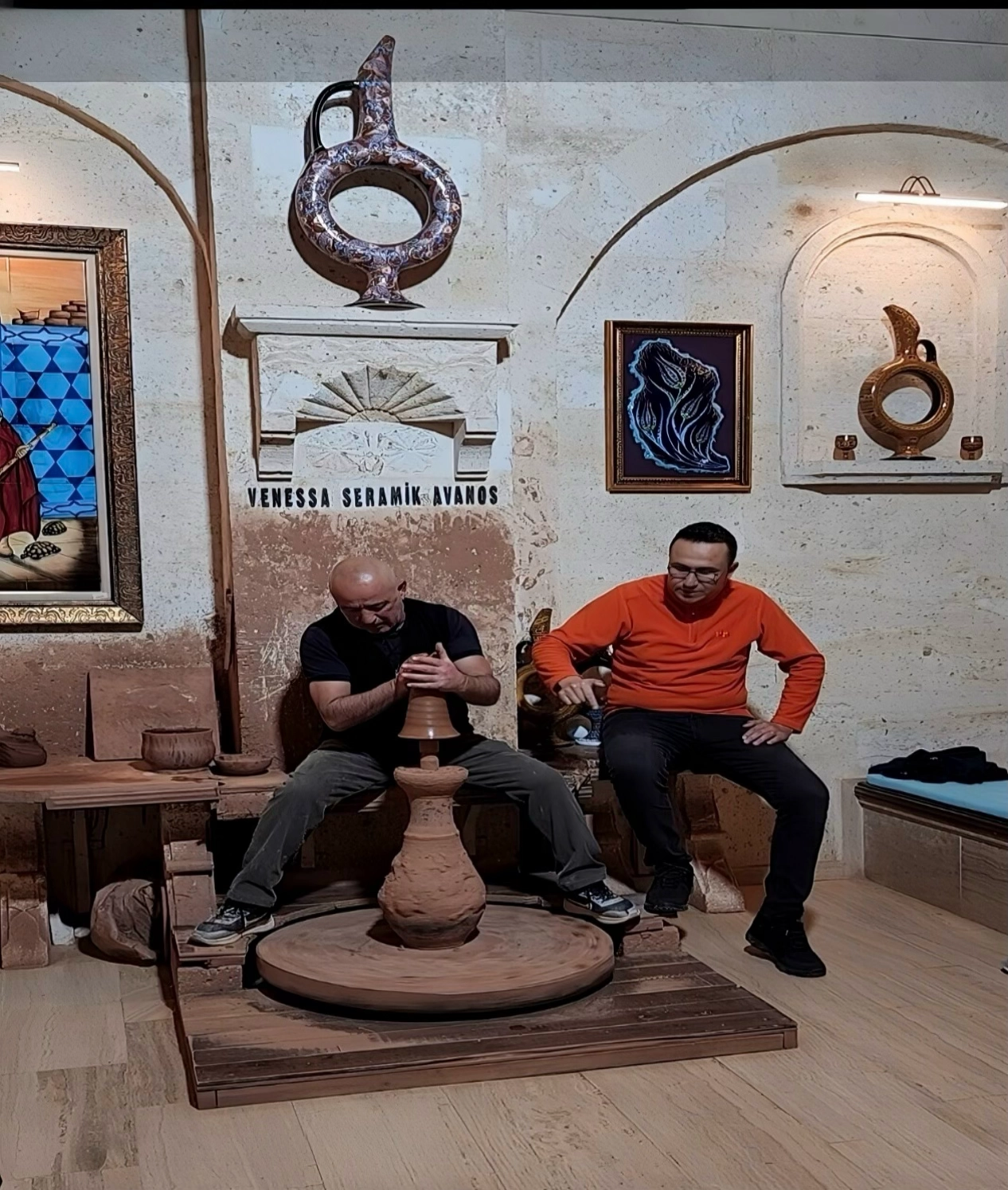
A master potter shapes clay at an Avanos workshop, the spinning wheel echoing the long, enduring cycles of artistry and Anatolian history.
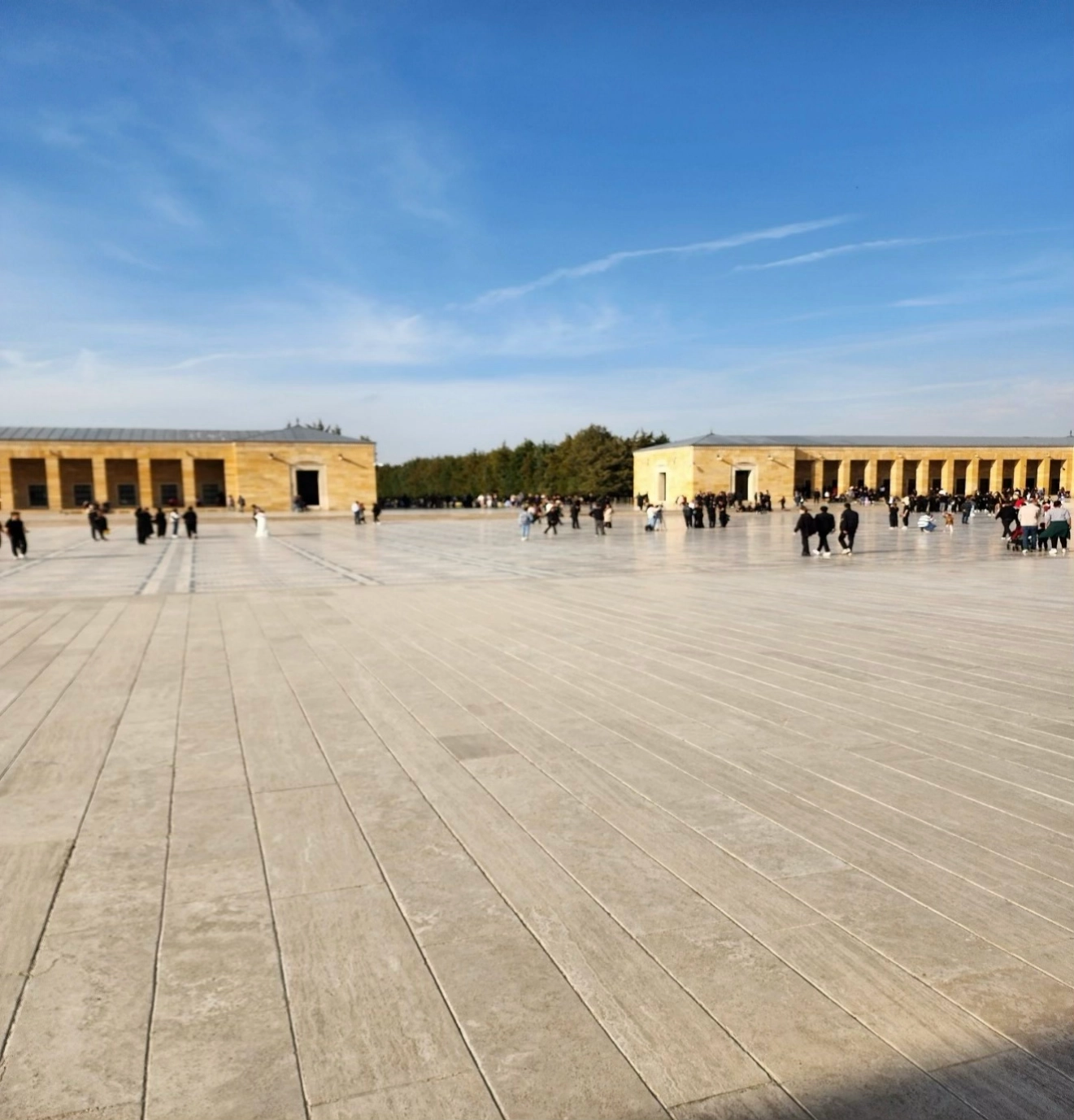
The expansive courtyard leading to the Hall of Honor at Anıtkabir, where visitors gather in quiet respect before the marble sanctuary that holds Atatürk’s sarcophagus.
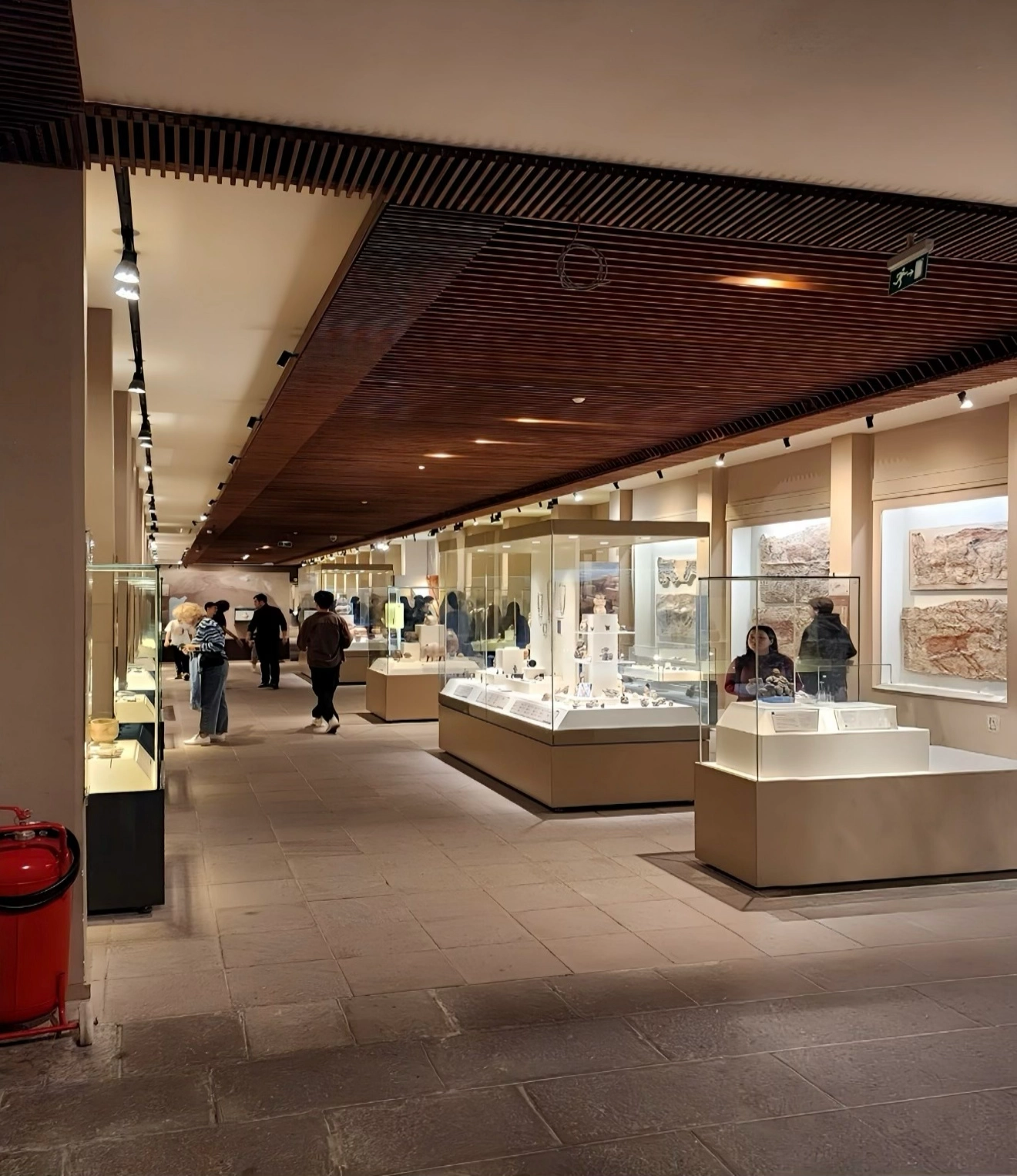
Inside the Museum of Anatolian Civilizations in Ankara, where carefully lit galleries reveal the deep timeline of human history.
Chapter VIII — Istanbul Farewell: The Bosphorus and the Grand Bazaar
Return to Istanbul — A Circle Completed
We departed Ankara after breakfast, the road guiding us westward through rolling hills and clusters of small towns. Minarets rose in quiet succession, each one marking a community shaped by history and faith. By early afternoon, Istanbul unfolded before us once more, the city where our journey began and where it would gently close.
The familiar skyline of domes, minarets, and bridges made it want to come back to a story ready for its last chapter.
The Bosphorus Cruise — Where Continents Embrace
The highlight of our final day was a serene cruise along the Bosphorus, the storied strait that binds Europe and Asia in a timeless embrace. Soft golden light shimmered on the water as Thelma and I boarded the vessel, the breeze carrying the mingled scents of salt and distant gardens.
Will and Ding were not with us this time, having departed early from Ankara en route to Las Vegas. Their presence echoed in the group's laughter and the waves, showing that friendship endures despite separation.
As the boat glided forward, the Bosphorus revealed its layers:
• Ottoman palaces, their facades brushing the water’s edge
• Quiet fishing villages where locals cast their lines with unhurried grace
• Ferries and ships weaving their own stories along the channels
• Suspension bridges arching boldly between continents
In the distance, the Bosphorus Bridge rose like a symbol of unity—steel and light connecting worlds.
A Golden Hour of Reflection
The late afternoon sun cast the city in hues of amber and rose. Standing at the railing, I watched the rooftops, towers, and shoreline unfold like a tapestry stitched across centuries.
The strait felt alive, whispering stories older than the empires that once ruled its shores. Its waters shimmered with memory—of Byzantium, of the Ottomans, of merchants, travelers, and dreamers who crossed between continents seeking something greater.
As the boat gently rocked, I felt our entire thirteen-day journey gather into a single moment of stillness.
The Grand Bazaar — The Heartbeat of Istanbul
After the cruise, we stepped into the vibrant labyrinth of the Grand Bazaar, one of the oldest and largest covered markets in the world. As we entered through the Nuruosmaniye Gate, we found ourselves surrounded by a vibrant mix of colors, bustling voices, and traditional craftsmanship that has lasted for centuries.
Carpets glowed like woven sunsets. Brass lamps shimmered in mosaic light. The scent of roasted coffee mingled with the sweet spice of Turkish delight.
Every aisle felt alive, merchants calling greetings, visitors weaving past displays of ceramics, jewelry, leatherwork, and textiles. The Grand Bazaar was not merely a market; it was a cultural inheritance.
Inside, Thelma and I paused for a photo, surrounded by the warmth and rhythm of a place that has welcomed travelers for centuries. Even without Will and Ding, whose paths had shifted eastward, the spirit of companionship stayed with us.
The Renaissance Istanbul Polat Bosphorus Hotel — A Final Horizon
By evening, we reached the Renaissance Istanbul Polat Bosphorus Hotel, its sleek design rising proudly above the strait. From our window, the Bosphorus stretched into the night, a quilt of shimmering reflections beneath the city lights.
Dinner felt like a celebration and a farewell all at once. Our Tour Manager, Serdar, joined us for one last evening of stories, laughter, singing, and gentle gratitude. The air carried that unmistakable mixture of joy and bittersweetness that marks the closing of a meaningful chapter.
Later, I stood by the window, watching the water flow quietly beneath the bridge lights. Istanbul shimmered softly, as if offering a blessing for the journey that had shaped us.
Reflection — A Journey’s Gentle Close
Ending our adventure on the Bosphorus, we wanted to return to the source. The strait, ever-moving and ever-constant, mirrored the rhythm of travel itself, an ebb and flow between discovery and reflection.
From Istanbul to Troy, from Pergamon to Ephesus, from Pamukkale to Konya, and finally through the spirit of Ankara, each step revealed a new facet of Türkiye’s soul.
And each moment—whether drenched in history, shaped by companionship, or held in quiet wonder—became part of our own story.
As I closed the curtains for our final night in Türkiye, I felt an enduring gratitude. We arrived as travelers, but left as witnesses—to beauty, to heritage, and to the timeless light that guides all who wander with an open heart.
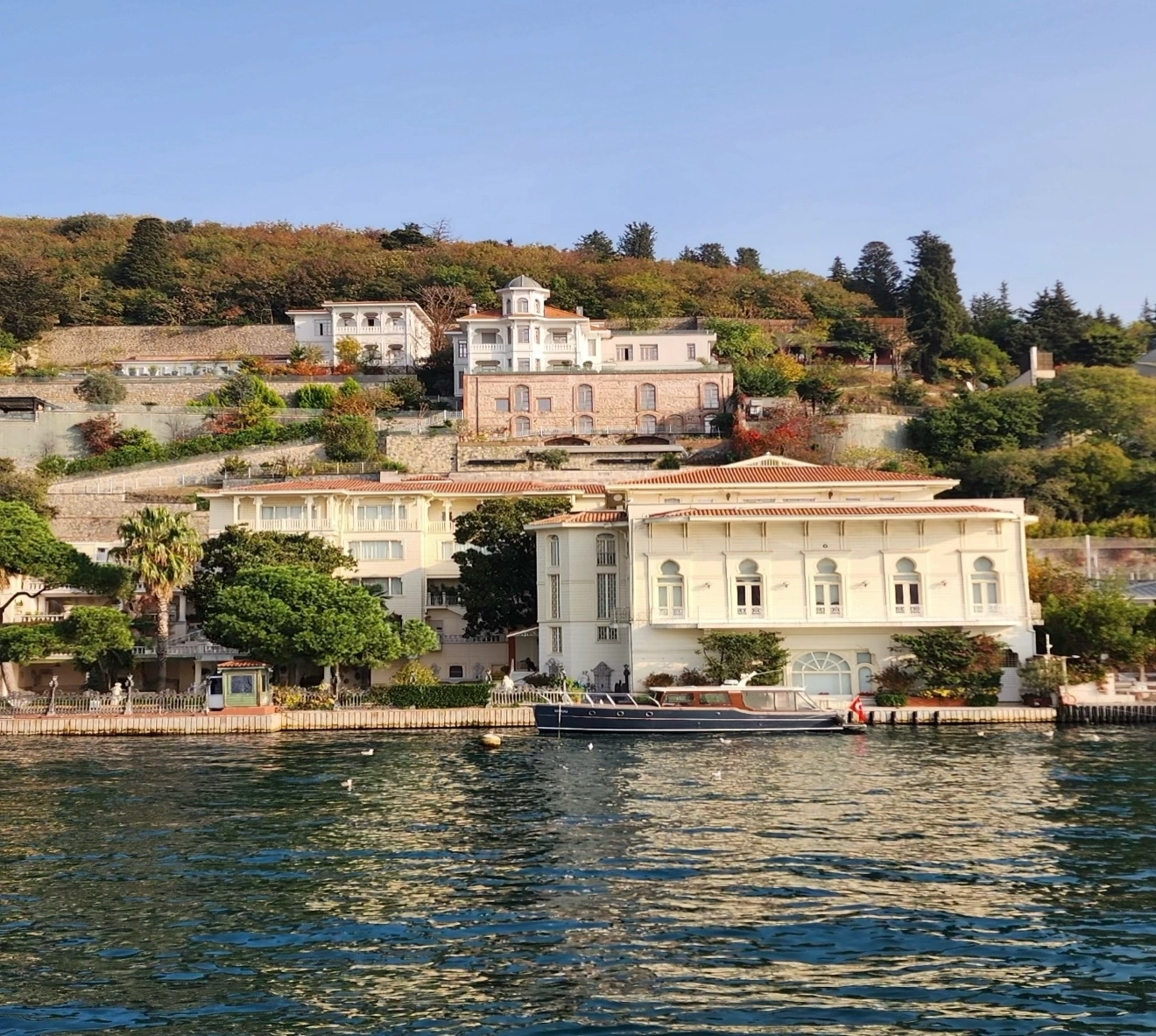
Elegant waterfront mansions along the Bosphorus, their pale facades glowing in the afternoon sun, as a solitary boat rests gently on the shimmering water.
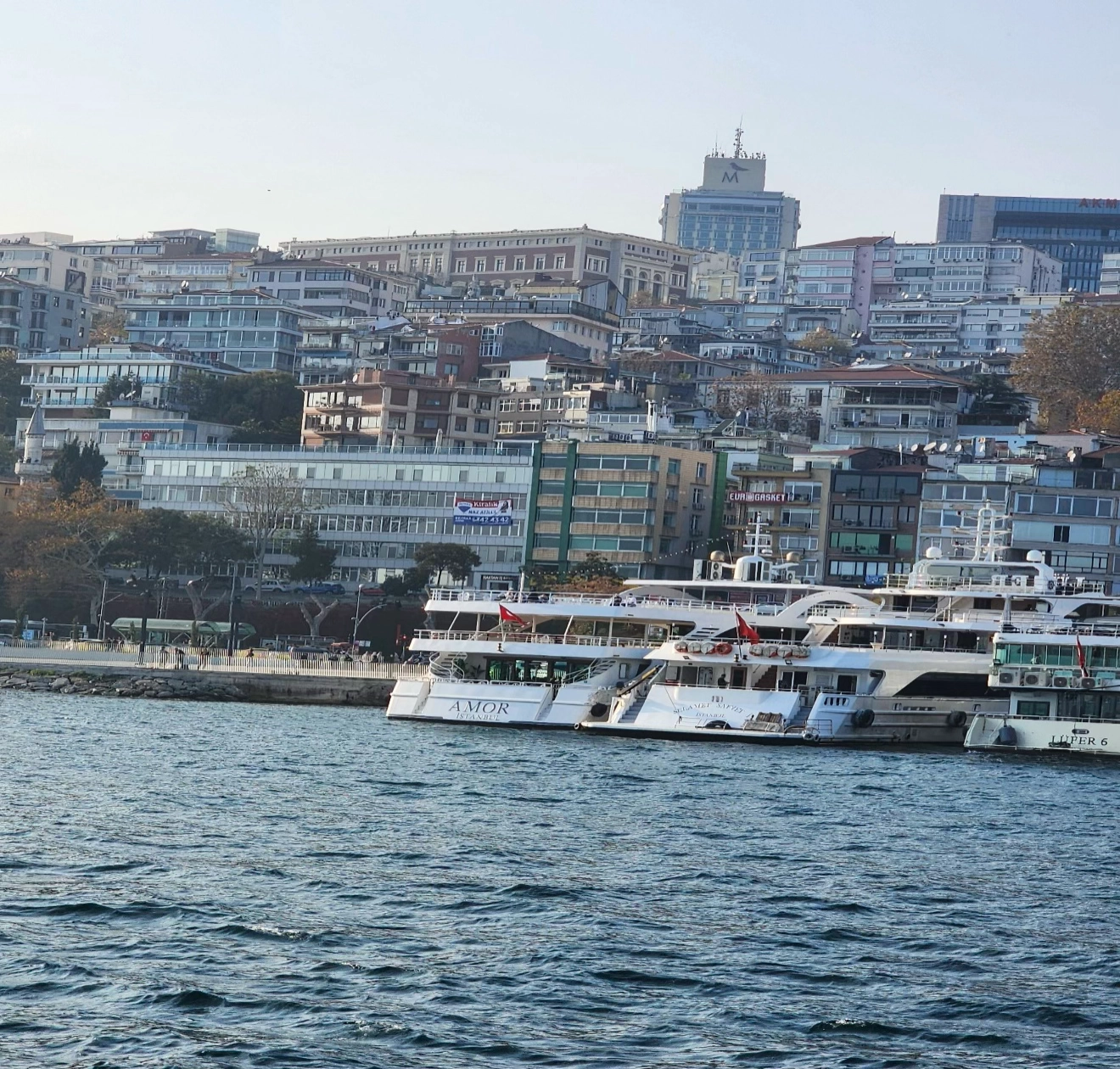
Layered hillside homes and bustling waterfront piers along the Bosphorus, where ferries and private yachts rest beneath the rising skyline of Istanbul.
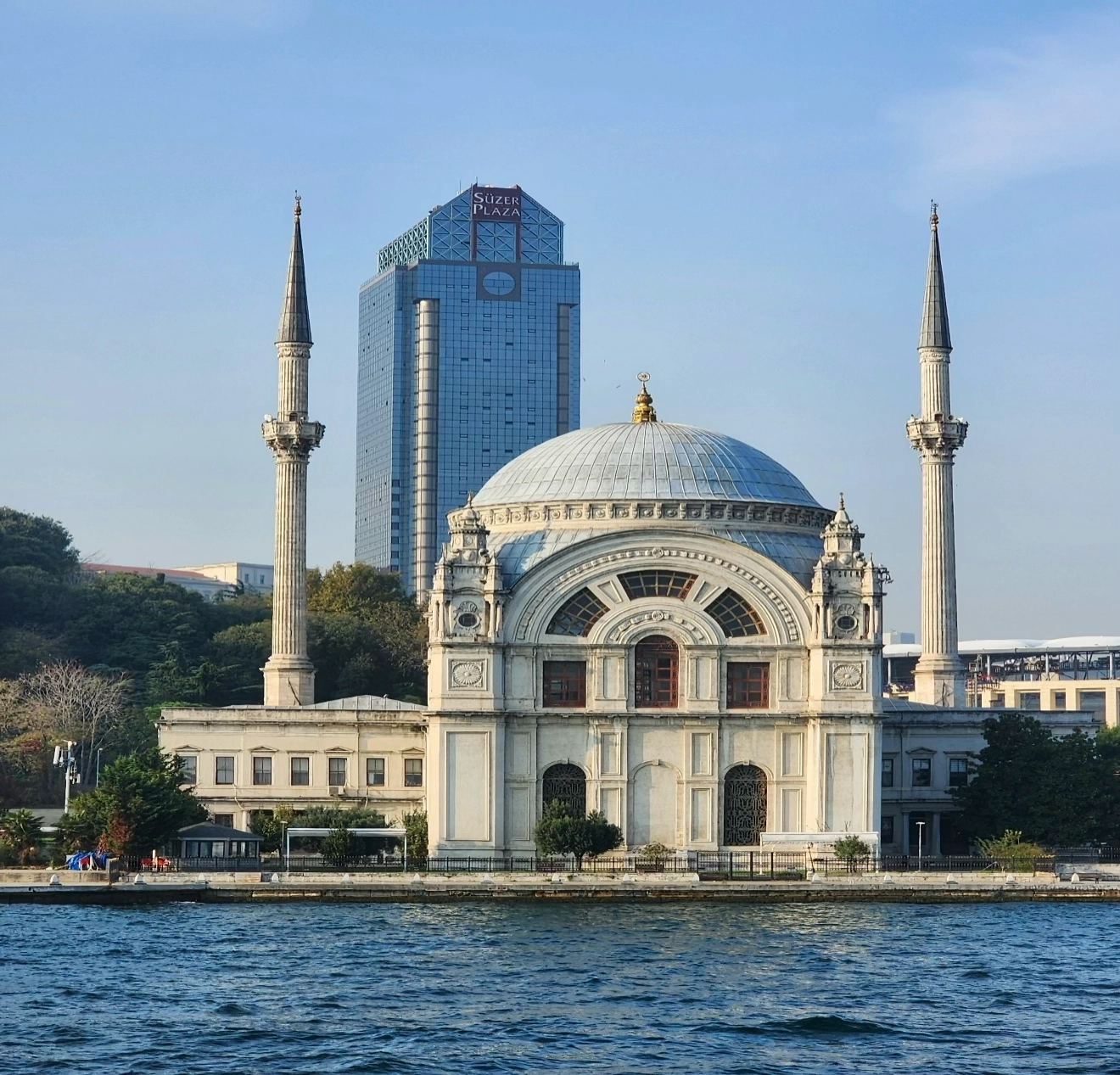
The elegant Dolmabahçe Mosque rises beside the Bosphorus, its twin minarets framing the modern silhouette of Suzer Plaza behind it. A striking meeting of Ottoman grace and contemporary Istanbul skyline.
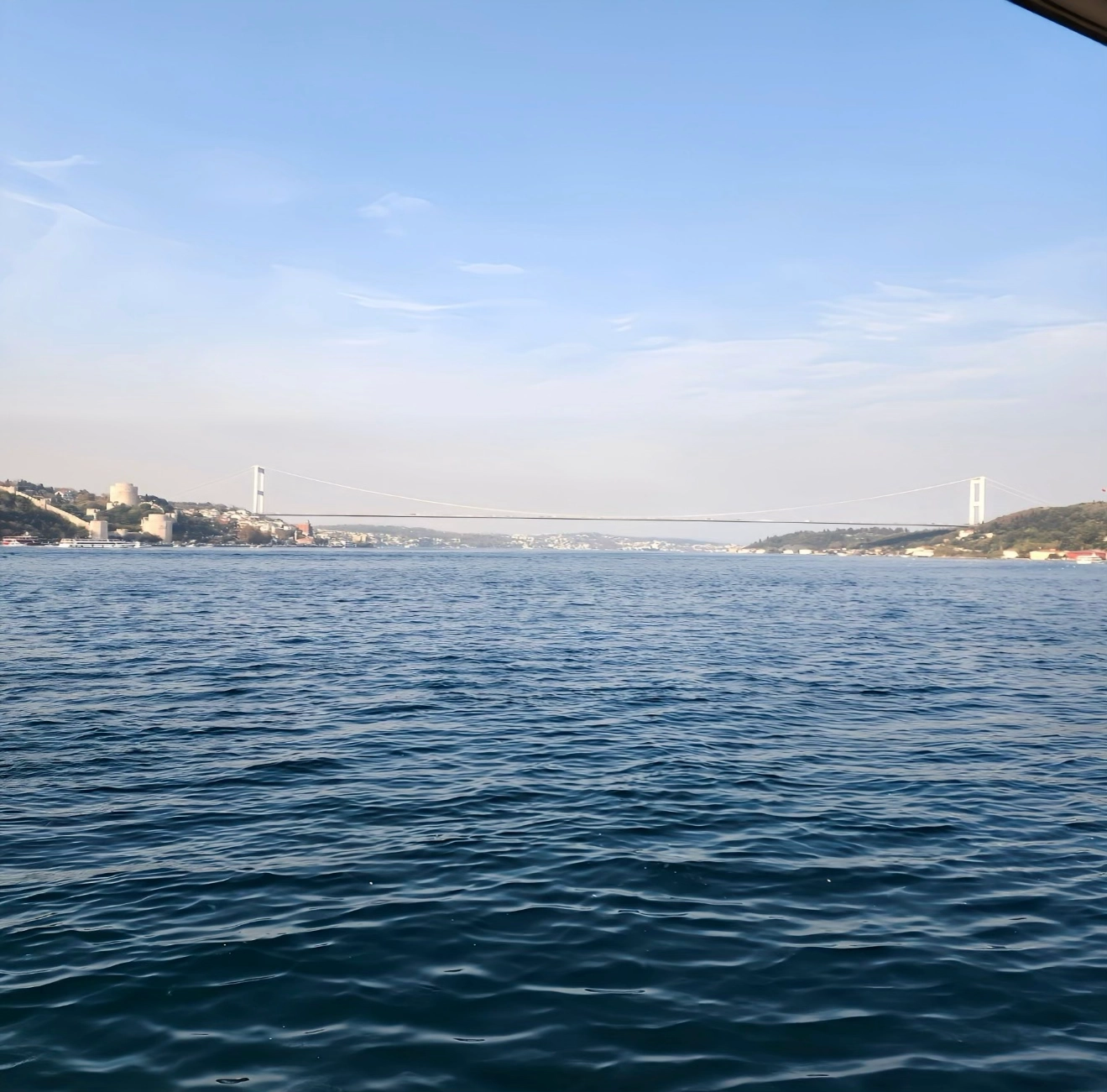
Across the shimmering blue waters of the Bosphorus, the Bosphorus Bridge rises in the distance, gracefully linking Europe and Asia beneath an open sky.
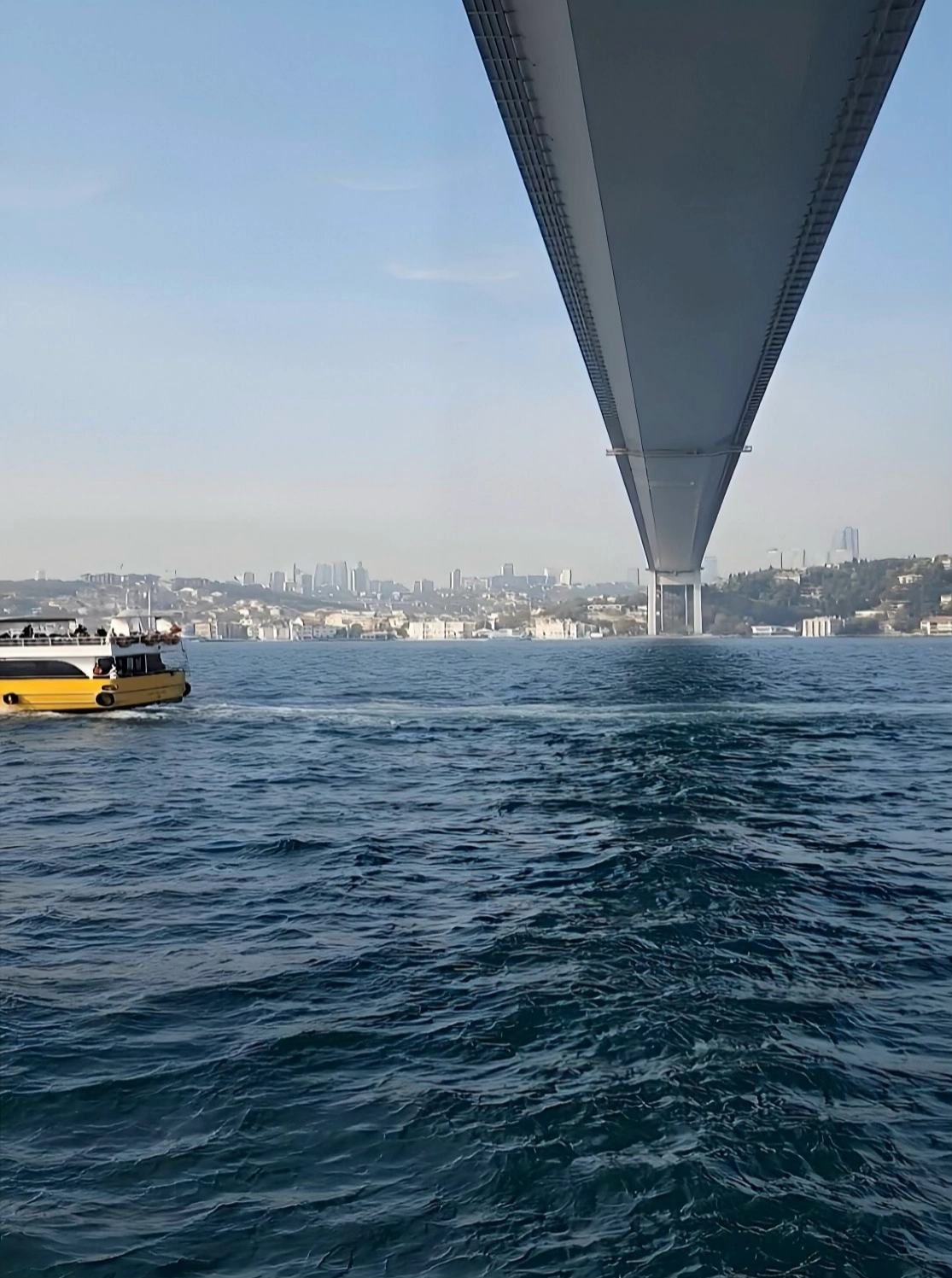
The Bosphorus Bridge from below, its steel arc suspended between two continents.
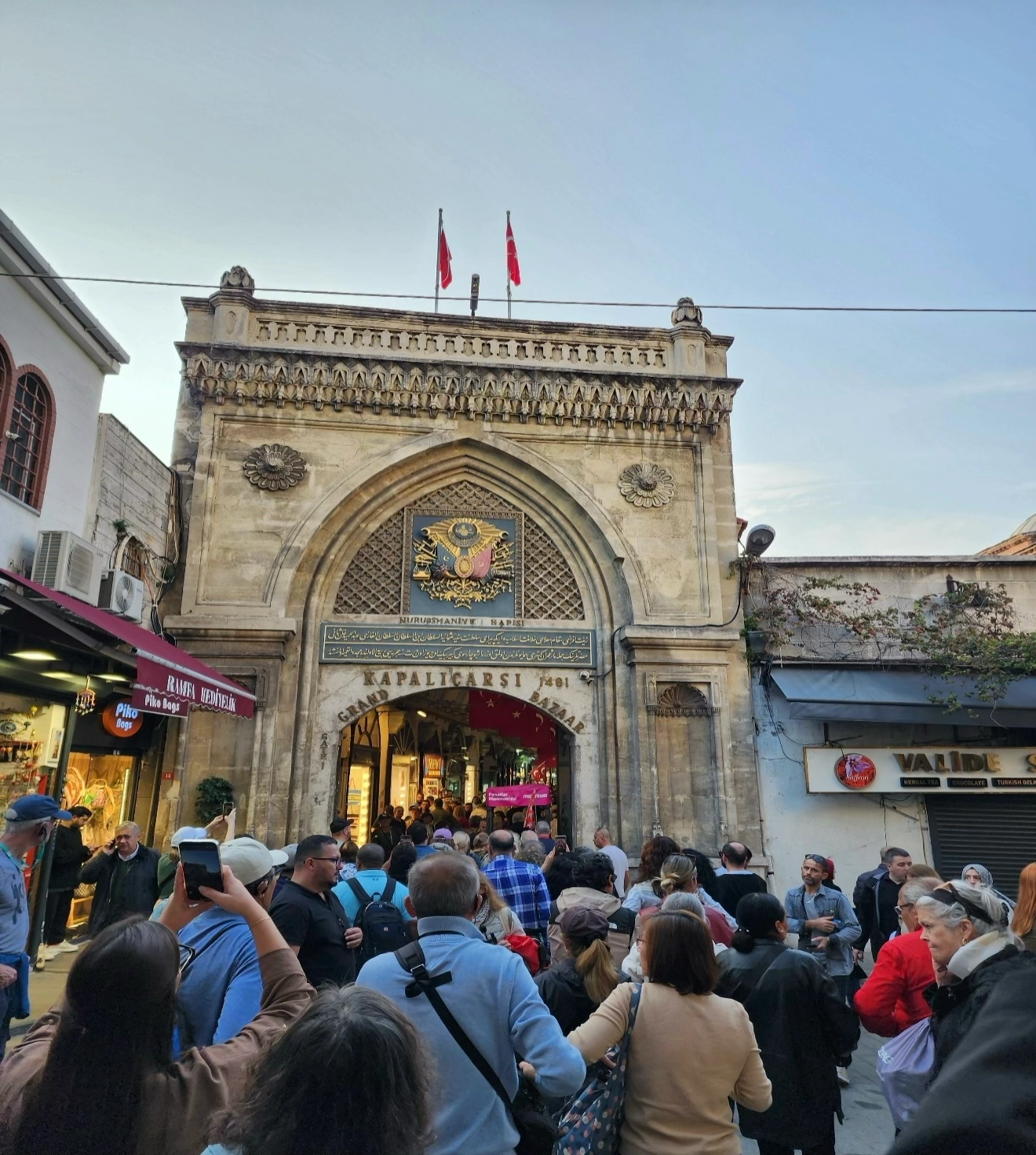
The historic entrance to the Grand Bazaar welcomes a lively crowd, its centuries-old archway opening into a world of bustling stalls, vivid colors, and timeless Istanbul commerce.
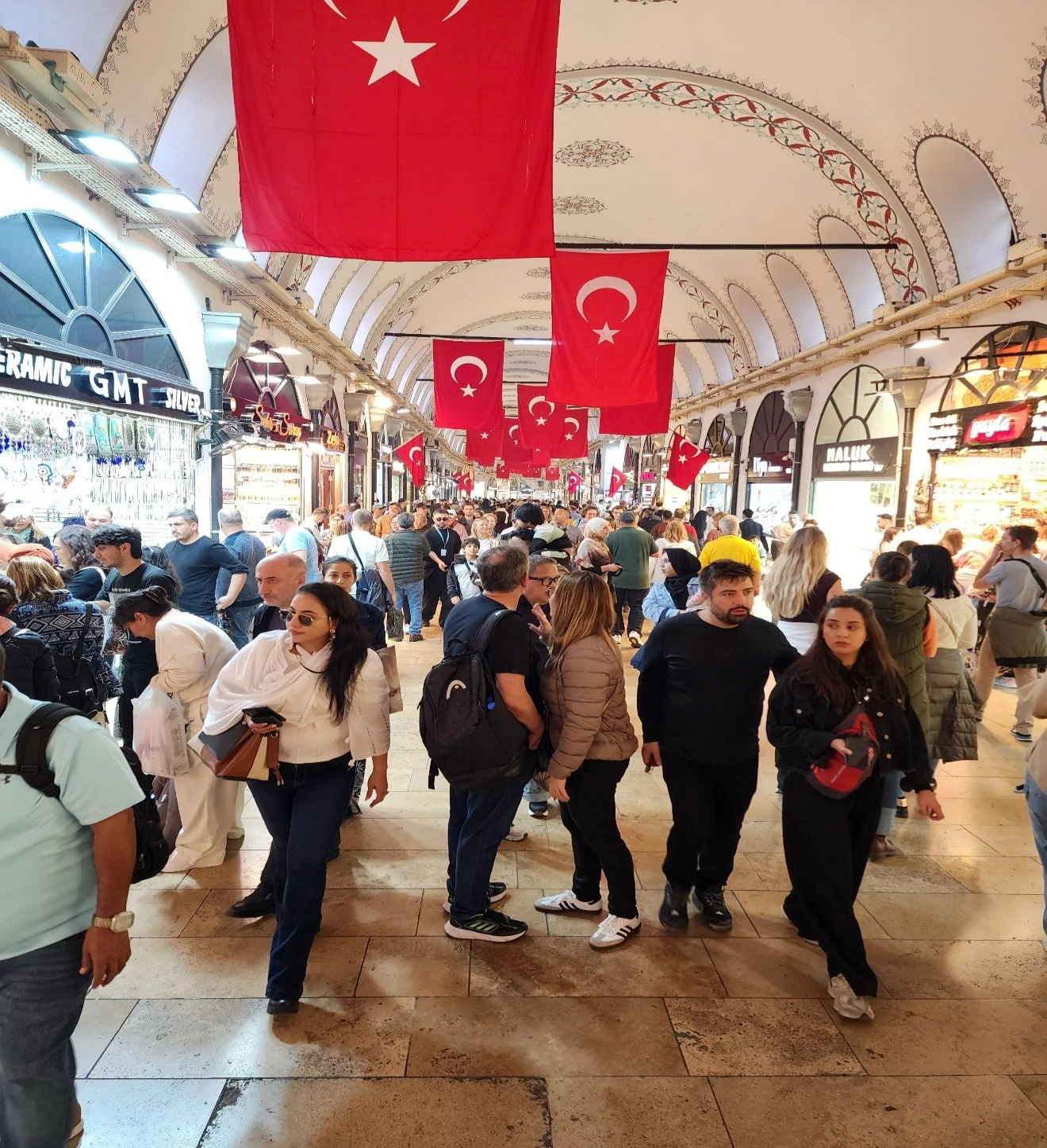
Inside the Grand Bazaar, vibrant flags and ornate vaulted ceilings frame the steady flow of shoppers, vendors, and curious travelers. A lively crossroads where tradition, craft, and daily life converge in Istanbul’s timeless marketplace.
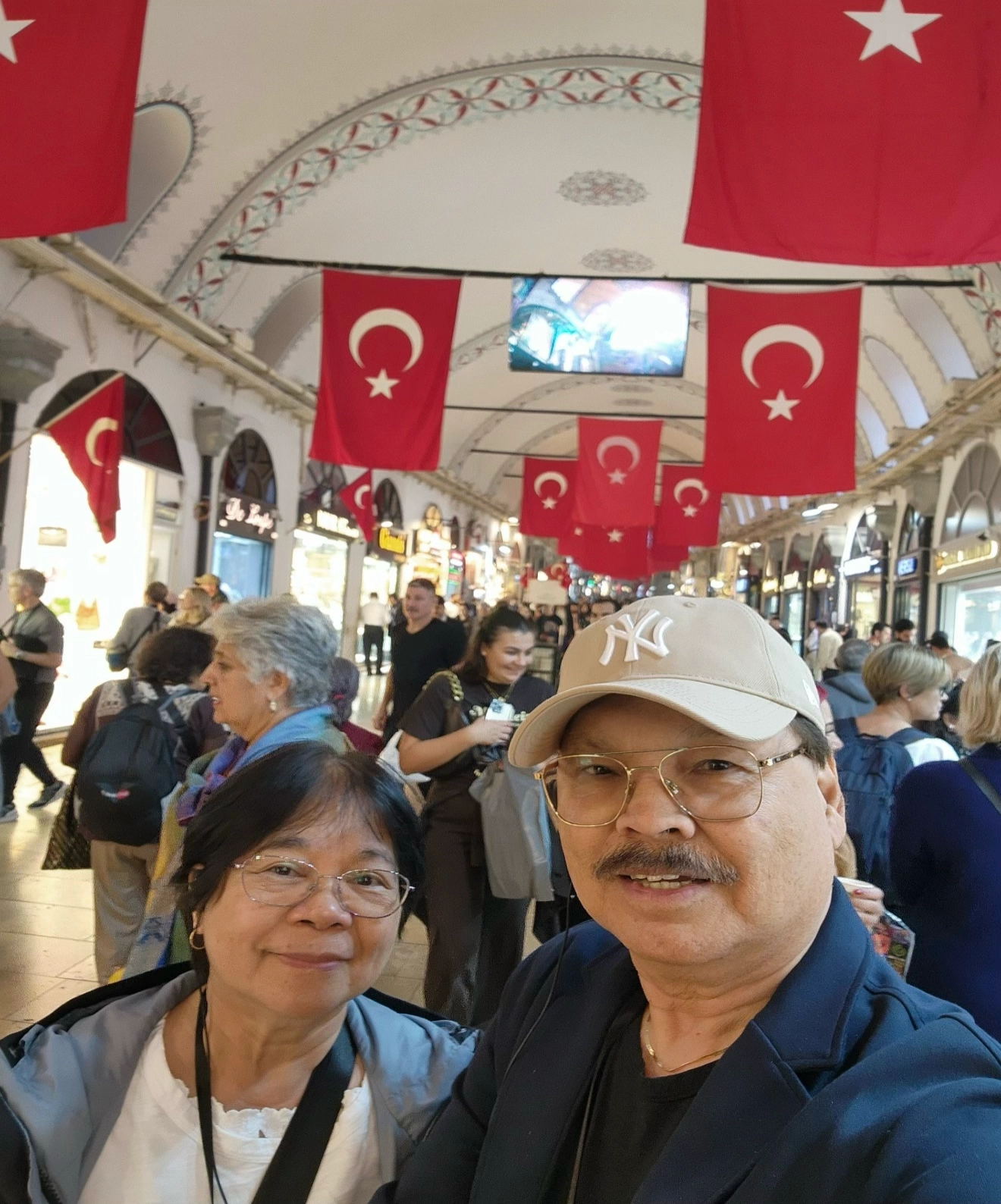
A joyful moment inside the Grand Bazaar as Thelma and I take in the energy, color, and history of Istanbul’s iconic marketplace — the perfect closing memory from our unforgettable Türkiye adventure.
Epilogue — Reflections Beyond the Journey
A Journey That Lives Beyond Its Miles
A journey may conclude once you have unpacked your suitcase. Others persist well beyond that final decision, subtly developing inside the traveler over time. Our thirteen days across Türkiye became the latter—not because of the distance covered, but because of the depth it carved into the heart.
From Istanbul’s soaring domes to the quiet waters of the Bosphorus, from the mythic ruins of Troy to the healing terraces of Pamukkale, from the mysticism of Konya to the proud spirit of Ankara—each place revealed a facet of humanity’s enduring story.
Türkiye did not simply show us landscapes. It invited us into a conversation with time.
Echoes of Empires, Whispers of Humanity
Everywhere we walked, we felt the presence of those who came before:
• builders who sculpted marble into meaning,
• poets who turned longing into verse,
• healers who understood that the spirit needs tending,
• leaders who dreamed nations into being.
Ruins mean more than remains. They were reminders that civilizations rise through devotion: devotion to beauty, to knowledge, to faith, to the simple act of creating something worthy of remembrance.
Shared Footsteps, Shared Light
Though Will and Ding parted ways with us in Ankara, their companionship remained woven through the journey. Travel sharpens gratitude—not only for what we see, but for those with whom we share the seeing.
Friendship, like light, continues even when the path diverges.
What Türkiye Leaves Within Us
Türkiye is a land of crossroads—of continents, cultures, and centuries. Yet its greatest gift is perspective.
It teaches that:
• beauty endures where humility thrives,
• peace deepens where understanding grows,
• wisdom emerges where the heart stays open.
As we journeyed across Anatolia’s plains, through ancient avenues and sacred spaces, I felt a widening of spirit—a quiet transformation that only meaningful travel imparts.
A Gentle Closure, Not an Ending
On our final night, standing by the window overlooking the Bosphorus lights, I realized that journeys end the way rivers meet the sea: not abruptly, but with continuity.
We may leave a place behind, but a part of it continues to move within us.
As you finish reading, I hope you remember this journey, the insights we have gained, the stories we have shared, and the thoughts that continue to shape your experience even after the voyage ends.
For every road taken with an open heart becomes a mirror, revealing not only the world, but the traveler.
And Türkiye, in its quiet majesty, reveals both with grace.
About the Author
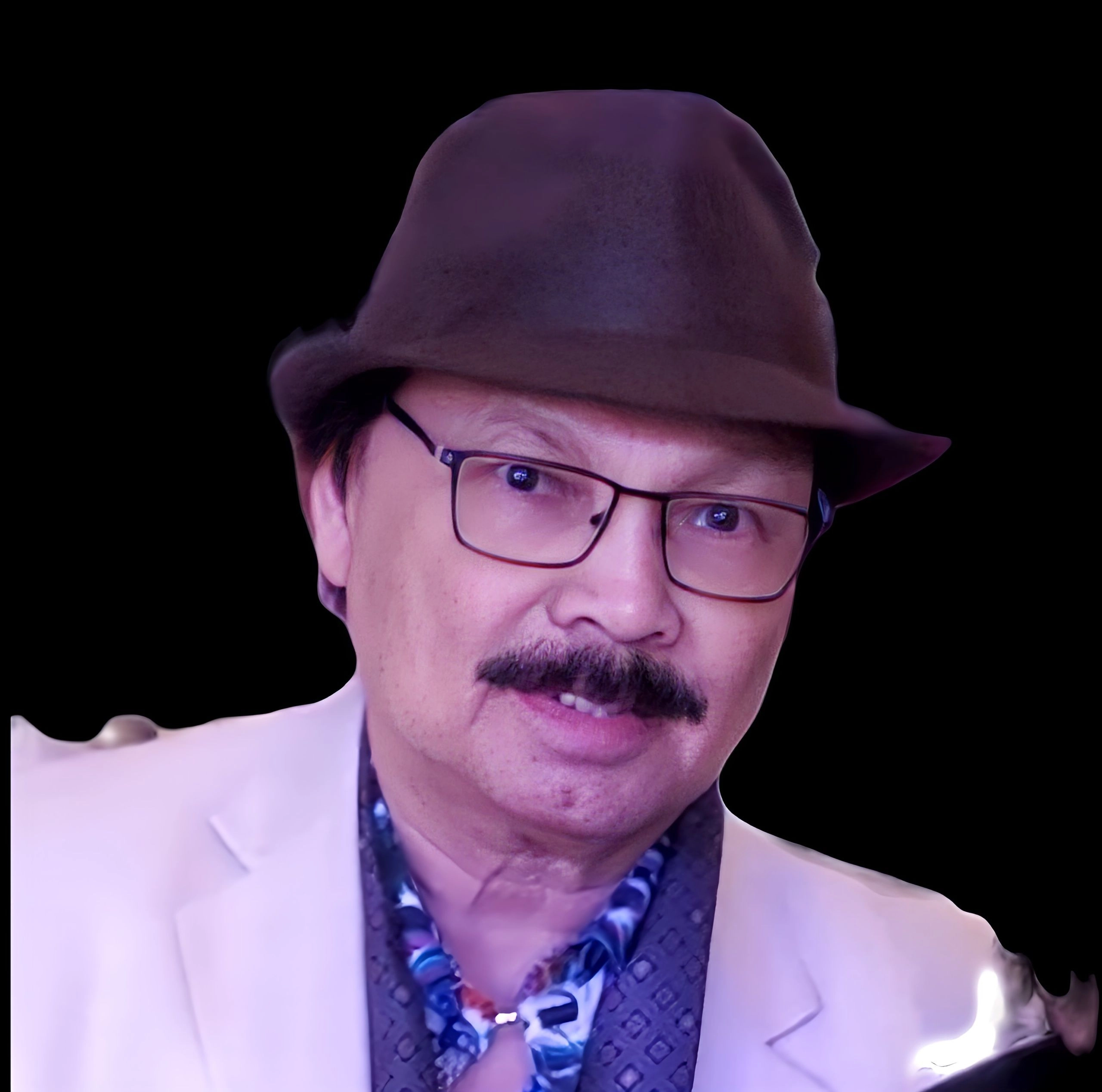
Edwin O. Paña ‘69
Fellow Edwin ‘69 is a retired entrepreneur, writer, and advocate known for his thoughtful leadership and lifelong service. With a background in Forestry and Business Administration, he led successful ventures and served six terms as Board Chair of Upsilon Sigma Phi North America, earning the 2024 Tanglaw Award for Leadership. His writing—featured in Echoes of Light and his blog, EP Resource Page—reflects his commitment to sustainability, fraternity, and meaningful change. Based in Abbotsford, Canada with his wife Thelma, Edwin continues to inspire through words and quiet advocacy.