Alumni
Spooked In Siquijor
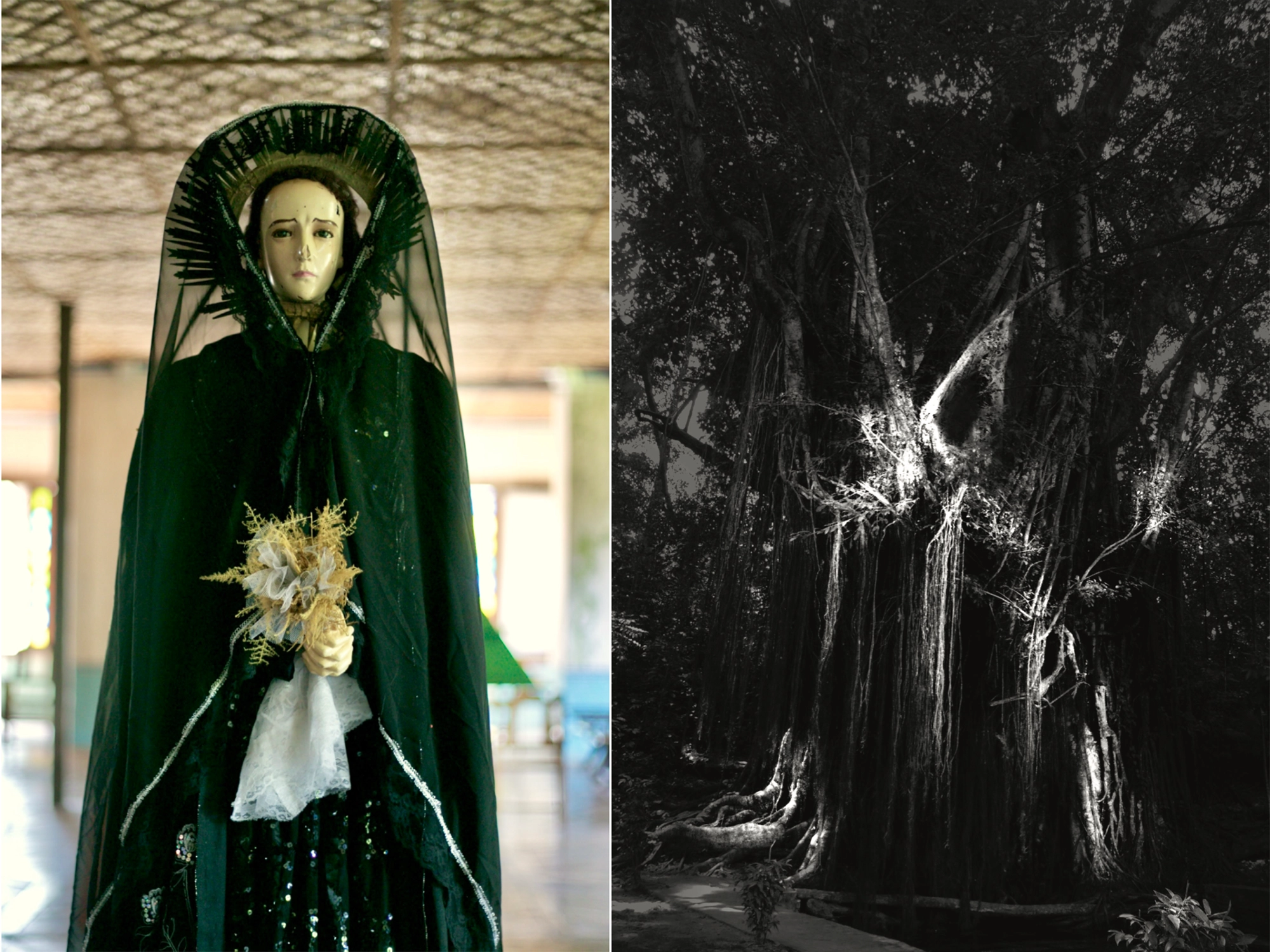
In this predominantly Roman Catholic country, following the Stations of the Cross on a Holy Thursday was not unusual. Not unless you were inside an old-growth forest, lumbering up a mountain path. Gilbert and I were far from devotees and had not planned on going through the solemn ritual. The intent was simply to reach the peak of Mt. Bandilaan, a 600-meter mountain on Siquijor Island, to take in the views from the highest point. Along the way, markers highlighting the key events of the crucifixion of Jesus Christ were laid out on this Mt. Calvary of sorts.
It was a different world in the woodland, the stillness broken only by foraging insects and wildlife squirming in the dirt. The ground was slightly damp; sunlight merely seeped through thick leaves and branches. The place was undisturbed, yet a feeling of foreboding hung in the air. I breathed heavily on the way up. Somehow, penance was exacted. It was Holy Week after all.
In a small clearing at the crest, a rickety tower, rusted by rain, welcomed us, its highest platform just above the tree line. But much more striking were the three wooden crosses just below the overlook. Even religious symbols took on a forbidding appearance here.
Atop the tower, way above the overgrowth, my gaze swept over the horizon, the sea line broken only by the hazy profiles of the neighboring islands of Negros and Cebu. Below, much of Siquijor was visible, mantled with heavy forest, encircled by a sandy and rocky perimeter with occasional swaths of white beaches. With the sun unobscured, Siquijor did not seem mystical or frightening. But then again, things that go bump in the night scurry for cover in the light of day.
No other place in the Philippines inspires as much dread and fascination as Siquijor, a vast canvas of legends and folklore, of healers who utter incantations and perform strange rites, of herbal remedies made from roots and herbs, and of sorcerers who practice witchcraft. The coasts boast of stunning seascapes, and further inland, caves, falls and forests abound. But still, it’s Siquijor’s paranormal reputation that lends to its mystery.
Visit to a healer
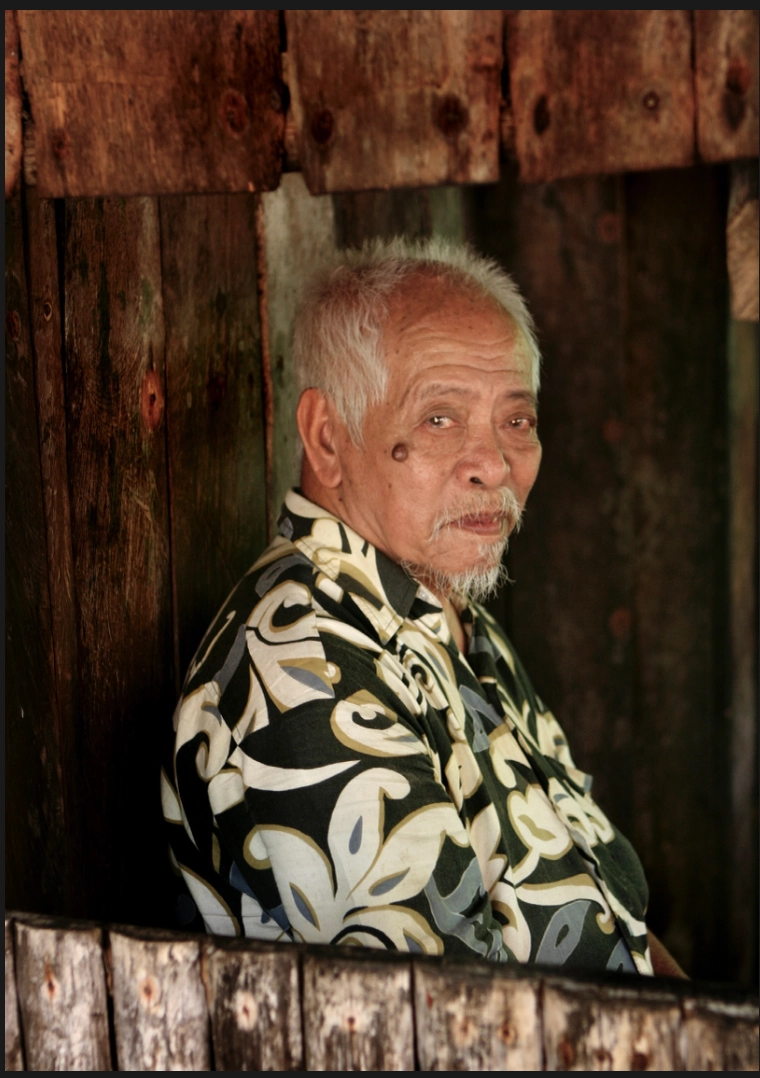
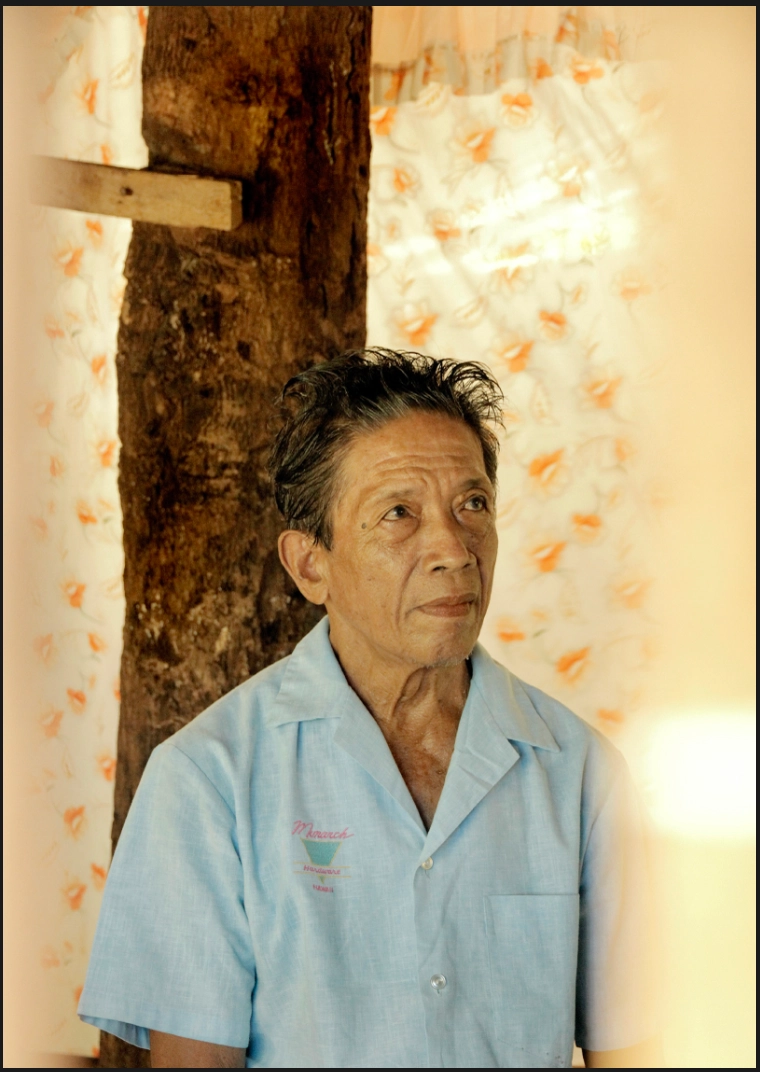
I sat in the sala of Mang Juan Ponce, the oldest mananambal (healer) in Siquijor, with his years approaching a century. His wooden house stood at the edge of a forest shrouded in mist, deep inside the mountains, in the municipality of San Antonio.
Mang Juan, the gatekeeper of mythical secrets handed down from generations past, appeared frail but exuded immense wisdom and subdued power. He sat Churchill-like in the corner of the sala, his hands resting on the shaft of a cane, his sunken eyes studying me intently. Mananambals are the good guys. They heal the afflicted and ease their pain. But not all healers are well-meaning. A few, called mambabarangs, employ their skills for malicious purposes and cast evil spells. But as I had no reason to put a hex on anyone, I had no interest in finding one.
Since I was already in Siquijor, I thought, why not consult a mananambal for a condition that had been bothering me? TMJ disorder causes my jaw muscles to tighten, causing incredible pain. I’d tried everything—from dental work to therapy—with little success.
So I submitted myself to a possible remedy, mananambal style.
A warm sensation spread from my cheeks to my neck as Annie, Juan Ponce’s daughter-in-law and apprentice, applied an ointment on my face. Her deft hands applied pressure on the bottom of my face, tracing the line of my jaw from my ears to the chin, providing instant relief. The whole treatment lasted barely 10 minutes.
To my surprise, the ointment actually worked. Or should credit go to the power of the mind and suggestion—that believing in the cure subliminally prods your body to heal itself?
An array of vials and re-used rum bottles, along with amulets and religious items, were laid out on a table. I bought several vials of liquid from a glass container filled with coconut oil and small strips of paper inscribed with verses of Latin prayers. It was the same salve used on me.
Gilbert went through the lot, handling and carefully inspecting each item, asking questions diligently. After making his selection, he forked out a 500-peso note to seal the transaction and pocketed his loot.
“What did you buy?” I asked.
“Gayuma.” Love potion. He chuckled. “We need all the help we can get.”
I couldn’t contain my amusement.
“You never know.” He continued.
He was right. And obtaining a charm that drew its power from the supernatural was no less foolish than having a salve of who-knows-what smeared on your face. And you can’t argue with success.
Call of the sorcerer
A television feature on a dark arts practitioner from Siquijor had drawn me to the island. Cut-out paper dolls were placed flat on the floor, and they rose and began to gyrate at the sorcerer’s command. The paper bodies bent at the waist, and the arms and legs flailed back and forth. Surely it must be a hoax, I thought, but I had to see it for myself.
Sorcerers do not advertise themselves. So we had to ask around when we arrived in Siquijor town after the ferry crossing from Dumaguete. The locals called him Mang Cente, and he lived in the mystical town of San Antonio. I was surprised at the ease with which we were able to track him down.
Two motorcycle drivers agreed to be our guides, and we set off in search of our mystical choreographer, stopping only for the beneficial short detour at Mang Juan Ponce’s house. We did hairpin turns on empty serpentine roads under fire trees, engines roaring as we gathered speed. Locals paused to cast lingering looks as we passed. Nothing much happened around here.
It was on the road where we found Mang Cente. From a distance, my driver recognized him approaching also on a motorcycle on the opposite side of the road. We flagged him down.
A rather nondescript man looking more like a farmer than a shaman, Mang Cente could not be convinced to perform. There would be no paper doll arabesques. Since he had started to heal people, he had refrained from practicing what he referred to as “black magic.”
“After I’d become a mananambal, I would fall ill each time I brought the dolls out,” he declared. “It took me three days to recover each time.”
Dust rose from under his tires as he rode away, leaving us with more questions. Was that merely a cop out? A convenient excuse to hide the inability to recreate the performance? If there was something about this place I had learned in my short time here, it was that things shouldn’t be taken at face value. My jaw was a testament to that.
“I think there’s another one who does the same thing. Let me ask around,” the motorcycle driver said.
My mood improved with that scant glimmer of hope.
Black Friday
With still no alternative to Mang Cente, we decided to see the sights of Siquijor. We intended to follow the island’s shoreline, keeping to the coastal thoroughfare but occasionally veering to the interior when needed. The journey was perfect for a motorcycle; the roads were empty, and busy meant the odd vendor pushing a cart of frozen delights.
First stop was Capilay Park, a collection of freshwater pools fed by natural springs. With the sun beating down, we were tempted to jump into the water to cool down, but we only stayed briefly since we had a long way to go.
The large 400-year old balete tree just outside San Juan town unnerved us with its malevolent outline and imposing stature. There was no denying its power. Threatening vines dangled from the branches, and bulky roots protruded above the ground as though the tree meant to extricate itself from the earth. Before it lay a quiet pool fed from a hidden spring. Only the balete could elicit so much fear. I imagined mambabarangs converging here, summoning spirits to apply sinister designs on hapless victims
As we encircled the enormous trunk, a man appeared from the roadside, clutching several dead chickens by the feet in one hand and a carving knife in the other. He washed and cut the dead fowl, disemboweling them in the pool. Gilbert and I stood there wondering what mystical practice was being observed on this Black Friday. Was there a special indulgence granted when a sacrifice was made on a holy day?
We moved closer and, emboldened, I blurted out: “Manong, what are you doing?”
“I have guests this afternoon, and I’m serving tinolang manok. These have to be prepared,” he answered without even glancing at us.
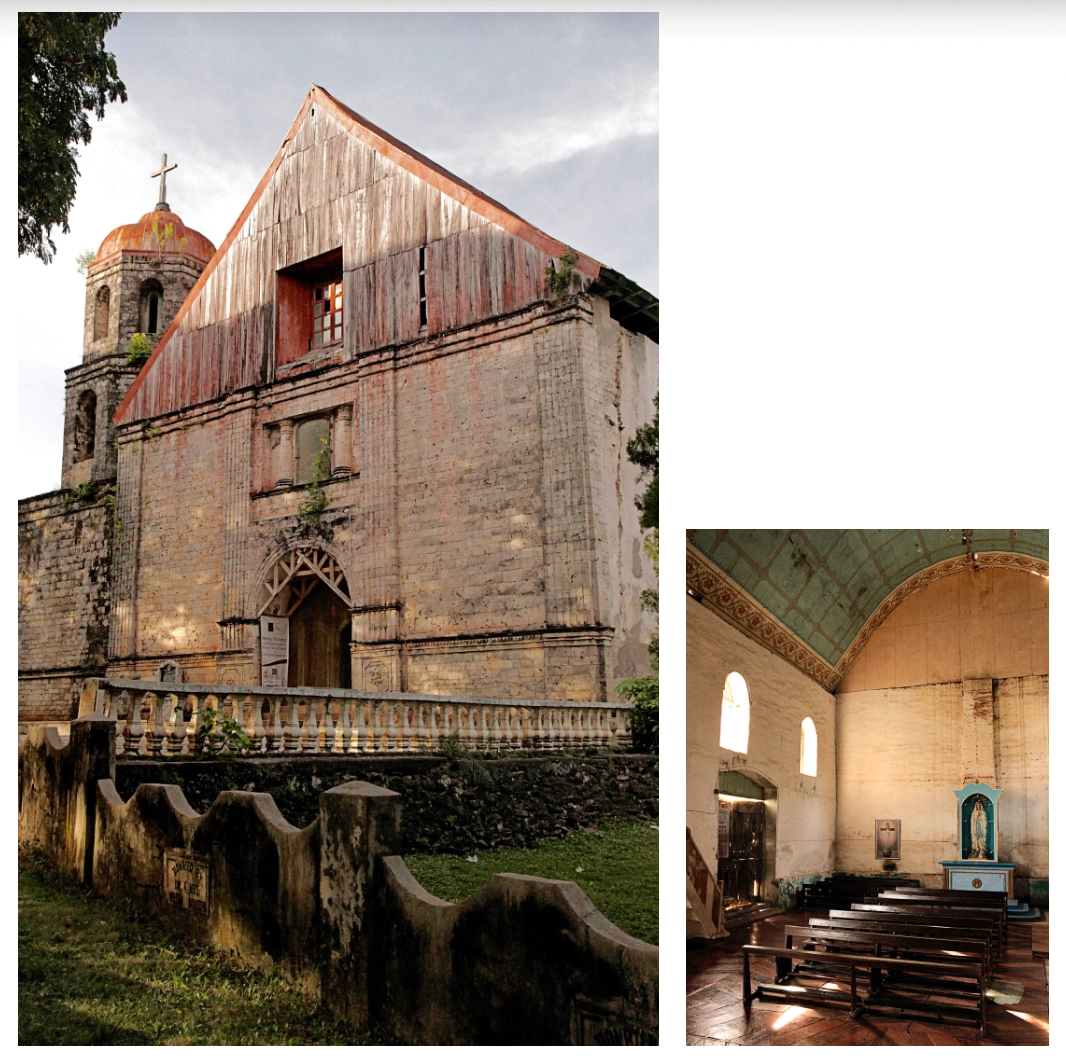
Once we recovered from our stitches, we set off again towards Lazi, a slumbering town at the southeastern coast, home to San Isidro Labrador Church, its convent reputedly the oldest in the country. A boulevard, shaded by a canopy of acacia trees, separated the convent from its host church. As I strolled along the sprawling, peaceful grounds of the convent and drew in clean air, I understood why the friars chose this setting over a hundred years ago to put up a venue where priests could rest and recuperate. This was the original wellness destination, its perfect weather and tranquil environment ideal for relaxation and recharging.
Several kilometers away, we left the motorcycles and descended a steep edge to Cambugahay Falls—a running stream that cascaded into five layers, flanked by forest cover. Each of the five pools hosted a number of frolickers. At the highest level was a band of teens called ARMSAP (Army sa Sapa), its members taking turns leaping into the water with disregard for safety, entertaining us with a broad array of daring dives—double somersaults, pirouettes, back flips, in tandem at times.
In the long stretch from Maria to Larena, we passed seaside clichés—the beach coves of Kagsua and Salagdoong, and the mangrove sanctuaries of Tulapos with its unique tree house and the wooden walkways of Guiwanon.
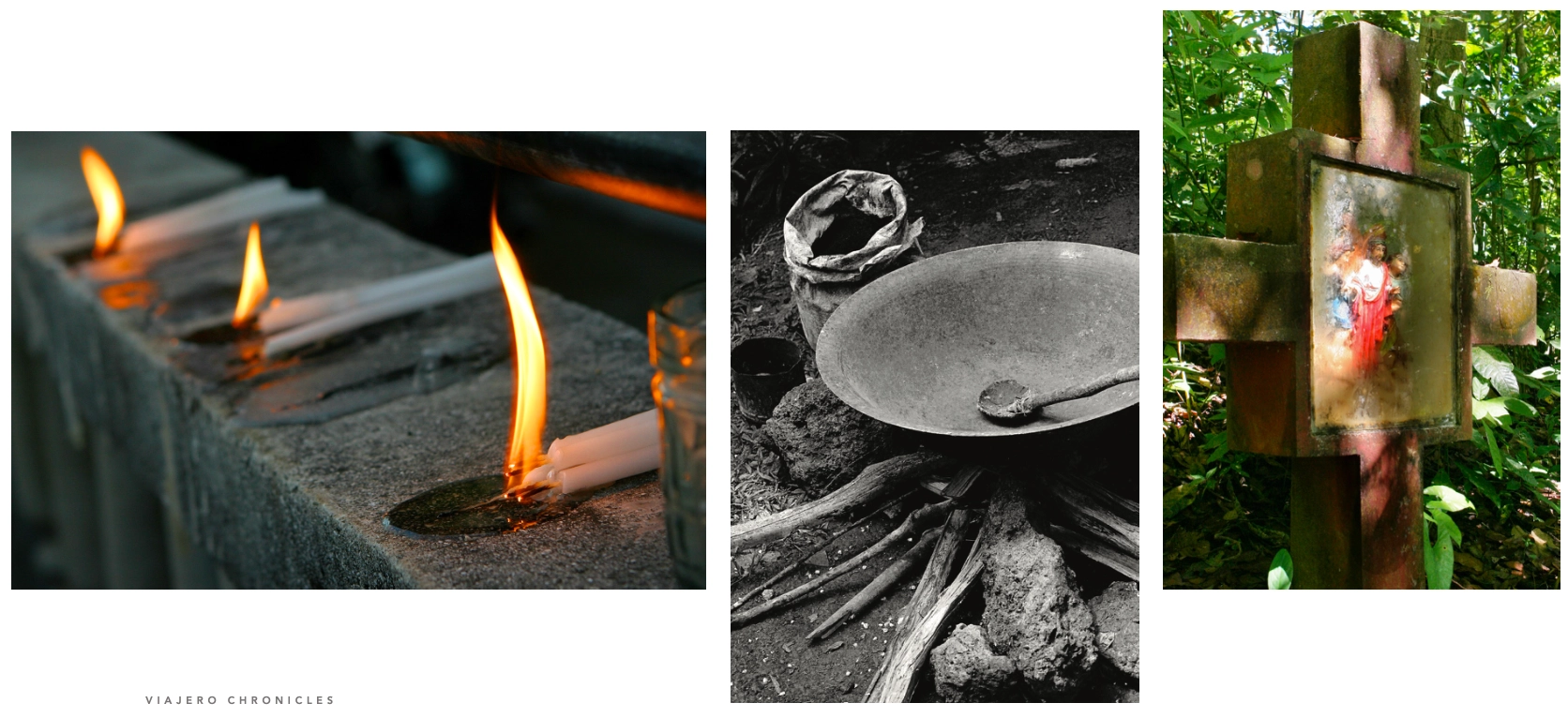
We made it back to Siquijor town just in time for the Good Friday procession. Wooden floats topped with religious images emerged from the Church of St. Francis of Assisi, a coral-stone edifice constructed in the 18th century. Devotees accompanied the solemn queue, clutching candles and reciting prayers. We joined the long march as it wove around the town and ended back at the church, where images were hidden under covers, the highlight of the Good Friday rite, to indicate the passing of the Savior.
We still had two hours of light left before sunset. Not wanting to waste the remainder of the day, we made a dash for Paliton Beach, a stunning sliver of white sand inhabited by blue soldier crabs, where we knocked down beers before a glorious sunset. Casting spells was not exclusive to warlocks and witches; even Siquijor’s scenery took part in mesmerizing visitors.
Howlings at midnight
That evening, I lay in bed on the brink of sleep when the howling began. It started as a whimper, then built up to a chorus of wailing that pierced the night’s peace. It came from a recess deeper than canine lungs, pulled out from a place of great distress and pain. I froze. In the other bed, Gilbert was asleep. Outside, the town and its empty streets lay in total darkness under a pallid moon.
On any other night, in any other place, I would have stormed out and hurled a projectile in the direction of the lamenting dogs, chased after them, and screamed invectives.
But not tonight. Not in this place. Not when God had taken the day off and even religious images were hidden under heavy mantles, as I was similarly cloaked under the thick covers of my bed. The night was brooding. And evil, it seemed, walked the earth.
Black Saturday
This is the most interesting gathering I will ever experience in my life, I thought.
Morning found us back in the forests of San Antonio where herbal practitioners and mananambals from all over the country had assembled—as they did every year during Holy Week. Their unusual purpose: to replenish their supply of herbs and to brew sumpa, the panacea to cure people, deter spells, and ward off spirits. Potions concocted on Black Saturday are supposedly the most potent since the power of other supernatural forces and spirits can be summoned with Christ temporarily dead.
Some were sorting herbs or chopping branches and roots. But the main crowd was gathered around a cauldron, watching the brew—which consisted of tree shavings, coconut oil, candle wax gathered from graves around the island, beehive, herbs, and chipped fragments from church walls—simmer over smoldering firewood fanned by mountain breezes.
It was a no-frills affair, and everyone kept to himself. Once the sumpa had fully melted, the contents of the cauldron were distributed to all mananambals present, and one by one they retreated and disappeared back into their own lives. The whole event ended as quickly as it had begun.
We got back on our motorcycles and stabbed southeastward towards Lazi to chase after a certain Frank Bios. We’d heard he was Mang Cente’s equal and possibly up to the task of the dancing dolls.
Frank met us graciously when we called on him but, like Mang Cente, he claimed he no longer performed black magic for the same reason.
“How can I be a healer and still practice the dark arts? That’s a contradiction.”
My last attempt to see the dancing dolls had come to nothing. There was now no way to determine for myself whether the performance was a hoax or not, even though a whole province swore by it. But to my surprise, I was not saddened.
With the events of the last three days dancing in my mind, I was grateful I had been regaled by a perfect dusk and the agility and audacity of acrobatic divers. I had strolled on perfect beaches and through peaceful gardens, taken in grand views of the island, stumbled on heritage areas and renewed my Catholic beliefs. I had discovered something different from what I had initially sought, leaving not empty-handed. I came away with more, not less.
Siquijor is a province in transition. Evolving from a shadowy countenance of dark arts and mysticism, it is now finally showcasing its finer merits of seascapes, natural wonders and heritage structures—certainly not supernatural nor spectral yet no less compelling or less noteworthy. In time, the island’s age-old folklore will coalesce with modern aspirations; and its beaches, sand and surf, underwater delights, pristine forests, falls and mangrove sanctuaries will be grabbing the headlines as much as the healers and mystical practices. Even so, the mysteries will probably linger on.
My hand went up to my unshaven chin and rubbed it. My jaw was holding up quite nicely, no spasms just yet. Whether the relief was due to supernatural intervention or just plain coincidence, I had no idea. I was pain-free and that was all that mattered. But I preferred to attribute the result to the workings of the mananambal. Perhaps like Gilbert and his optimism about the yet unproven gayuma, I needed something to pin my hopes on. Demonstration of faith often involved confounding behavior and incomprehensible notions that regarded logic with derision.
I suppose we all need to believe in something. Whether advocated by a holy man in a flowing white robe or presented by an average Juan garbed in a garish Hawaiian shirt, it is the promise that matters. The yawning gap inside, different for everyone—good health, wealth, the assurance of love—requires satisfaction and realization. Deep yearning and the hope of its fulfillment make believers of us all.
About the Author
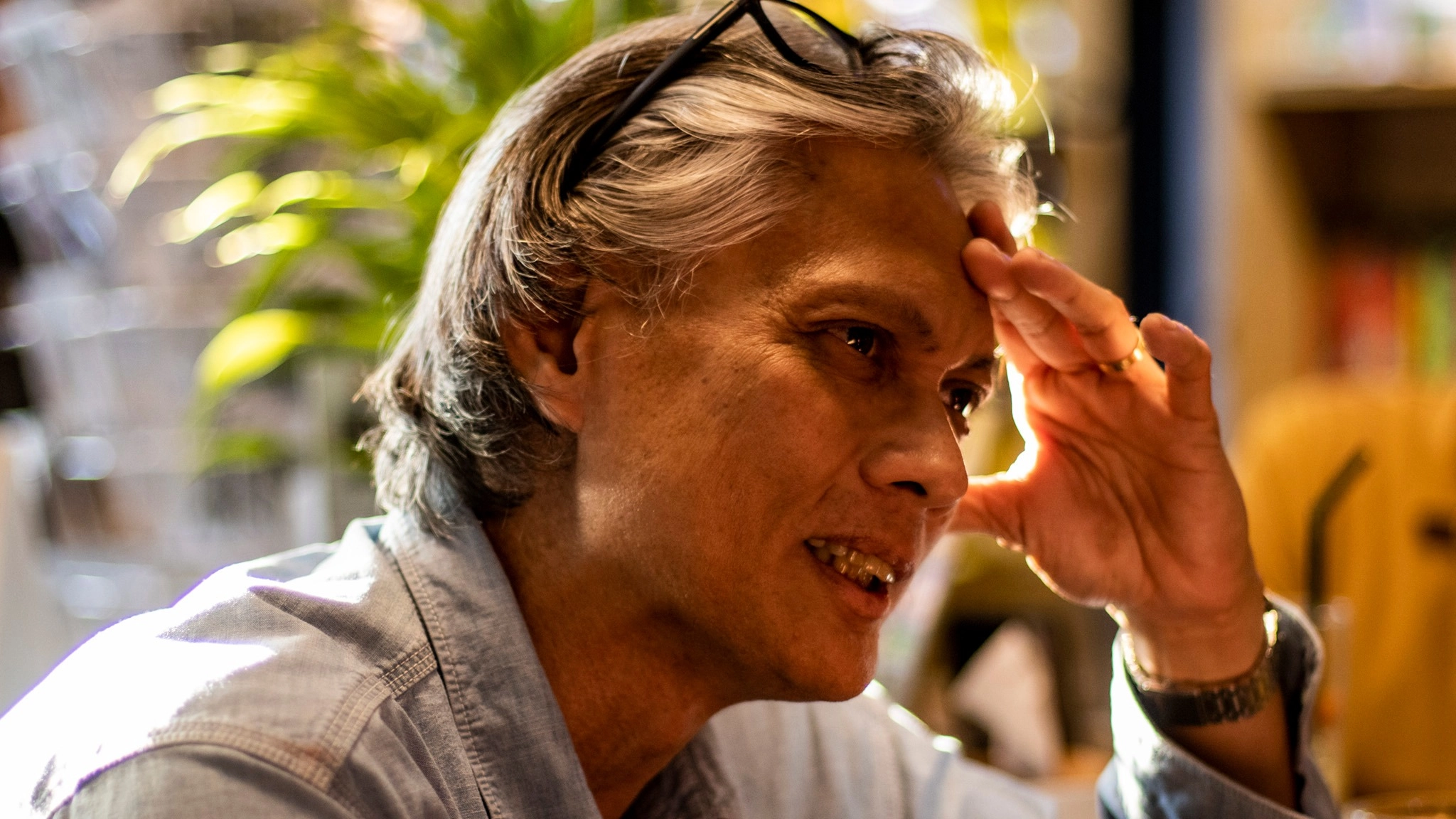
Gabby Malvar
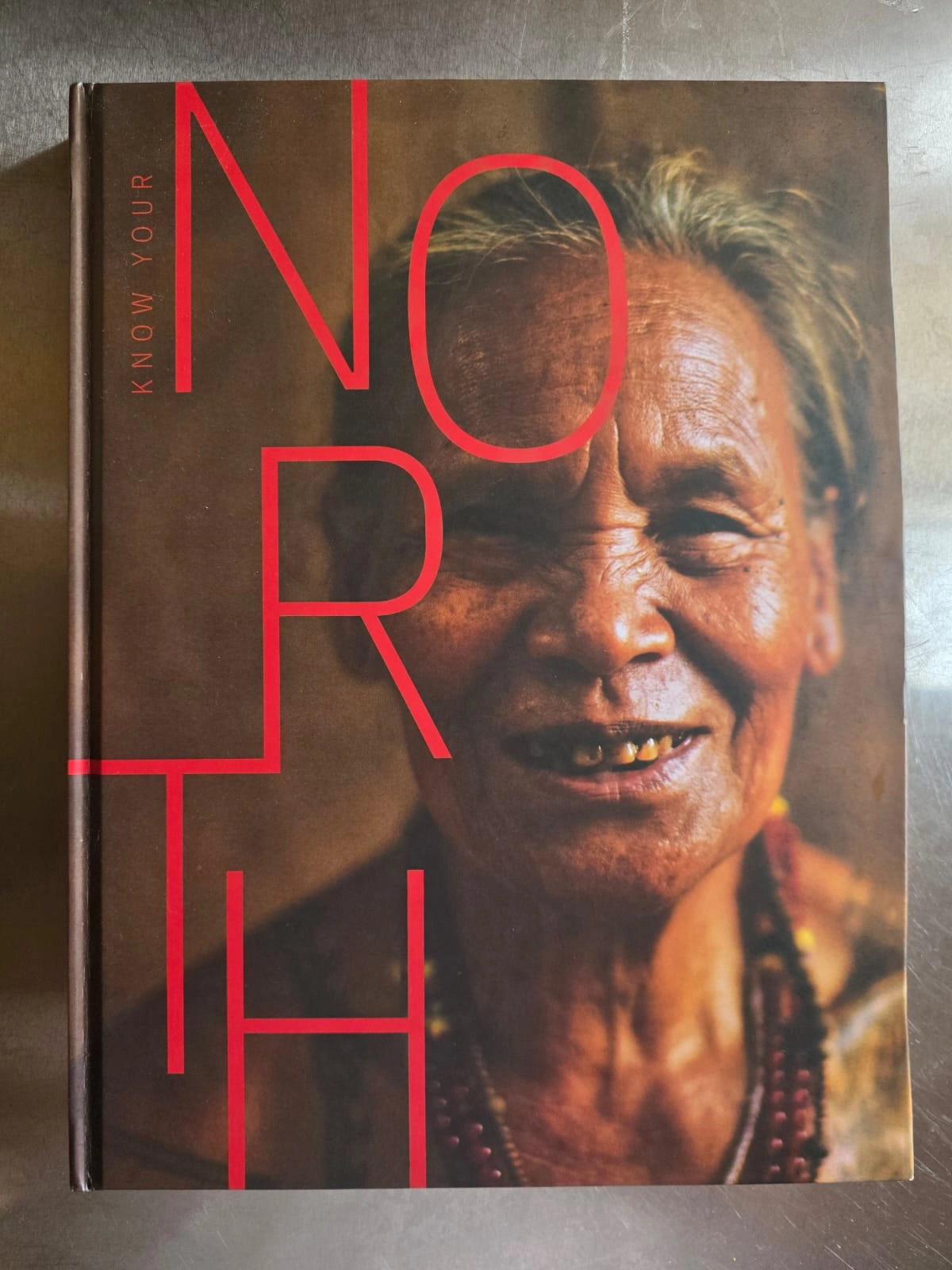
Gabriel “Gabby” Malvar ’85 is an internationally awarded documentary filmmaker, writer, and photographer. He currently serves as the Private Sector Representative for the Audiovisual Media Domain of the Philippine Creative Industries Development Council. He won the Best Short Documentary award at the 2025 PAPA International Historical Film Festival in Hungary for The UNESCO Heritages of Ilocos. His body of work includes Islands Insider for National Geographic, On the Brink, Passages, Palawan: The Last Bastion, Coral Resiliency, Viajero Chronicles, Project Larawan, and Know Your North. He is also recognized as a speaker on conservation, tourism sustainability, and filmmaking, and is teaching documentary filmmaking at the University of Makati.