Alumni
The Aranton Accounting
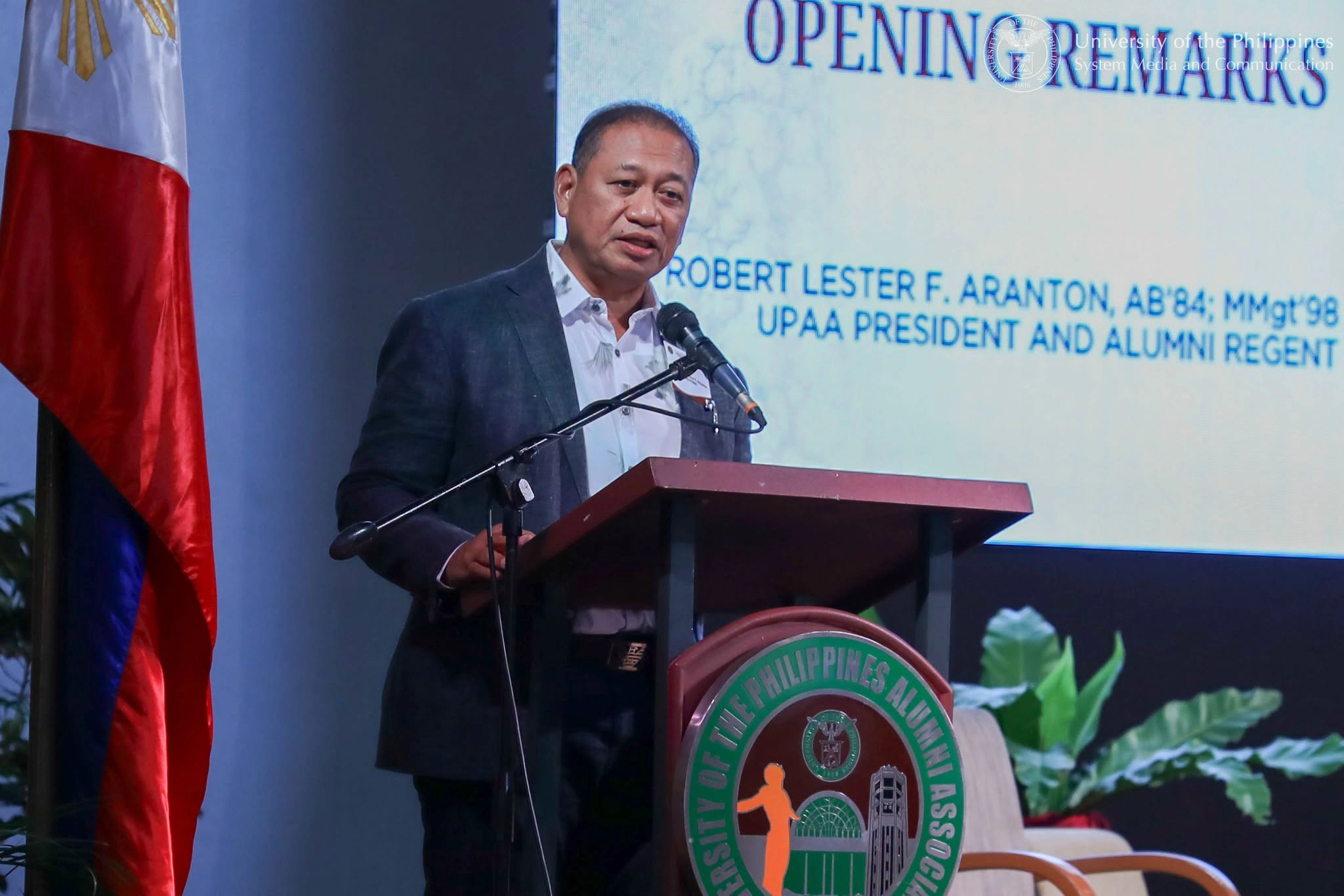
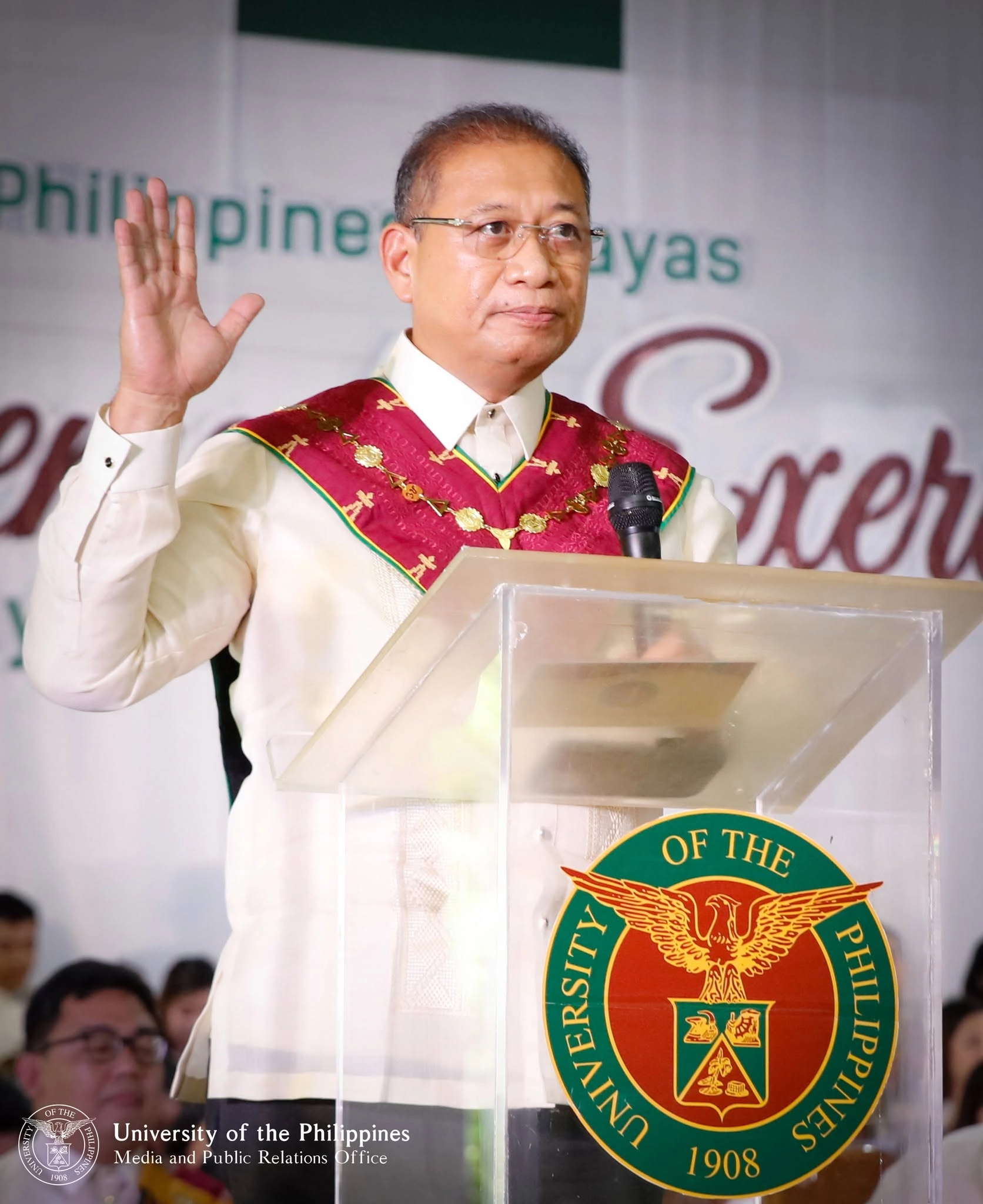
Robert Aranton ’81, who until just a few days ago served as both President of the UP Alumni Association and a member of the UP Board of Regents, arrived at the Manila Peninsula that Monday in a black collarless shirt and jeans, looking relaxed and far removed from his usual barong or suit. This time, he was not busy pressing palms, moving from one conversation to another, or seeming to be everywhere all at once. He looked like a man who, after three years, could finally afford to sit still and have coffee.
Much has already been said about his term’s programs: Lingap Tanghalian, the living expense allowance program; the Job Placement Office; scholarships; support for student-athletes; Botika ng Alumni; partnerships with the UP Open University; and the effort to activate alumni chapters here and abroad. You’ll easily find material about all that on Google or even in your favorite GPT. That was not what this conversation was about.
The interview was not going to be about the glamour and glitz of homecomings, awards nights and golf tournaments. It was going to be an accounting of what those three years cost him, the problems that rarely made it into press releases, and what he believed he is leaving behind.
It helps to separate the two positions he occupied. As UPAA President, Aranton led a private alumni association representing roughly 300,000 UP alumni worldwide; as Alumni Regent, he sat on the Board of Regents, the entire UP System's highest governing body. The constituencies, powers, and problems of the two positions were very different.
On the UPAA side, the first problem was money. When he assumed the presidency, one of the association’s traditional income sources had still not recovered from the pandemic: UPAA earned a share from operating and managing Ang Bahay ng Alumni, but with events stopped during the lockdowns, that income had fallen to virtually zero while utilities and personnel expenses remained. Being a private organization, the UPAA did not have a government budget to draw from.
If they wanted to spend, they first had to raise the money. “No one’s paying attention to how you fund your projects,” Aranton said. People saw the programs and their beneficiaries, but rarely asked where the money came from.
One of their first answers was golf. After the board’s 2023 strategic planning, they organized the first President’s Golf Cup and raised about ₱5 million. The next tournament raised another ₱3 million, and so on, with alumni and corporate supporters providing additional funds for specific programs.
Aranton shares the credit with the people who worked with him. For the fundraising, he singled out Roel Castro ‘84, Dan Abando ‘82 and Bill Pamintuan of Vanguard Fraternity as among those who helped open doors to donors and corporate supporters, and later spoke more broadly of how his vice-presidents and board made the burden of the presidency lighter.
After three years of fundraising and program spending, Aranton said his administration left roughly ₱15 million with UPAA and another ₱5 million with a newly organized UPAA Foundation. This was after spending on student assistance, employment, health and alumni programs. UPAA also remitted ₱2 million to the University, which Aranton said was the first such remittance in about five years.
The setting up of the UPAA Foundation addressed another problem: UPAA itself was both raising the money and implementing the programs. His idea was for the Foundation to concentrate on fundraising while UPAA focused on alumni services and program implementation.
Not everything he started was finished. Asked which project had been hardest to get off the ground, Aranton pointed to the Job Placement Office. It was, as he put it: “pinakinahirapan na ipanganak.”
His larger idea remains unfinished. Aranton wanted a platform matching UP graduates with the actual needs of industry, but the jobs available through the DOLE platform did not always fit the graduates UPAA was trying to place. Much of the work therefore remained at the level of seminars, webinars and initial placement activities. This is what he hoped would still exist ten years from now: a working system connecting graduates with jobs industry actually needs to fill.
The concern came partly from his PEZA experience, where he saw firsthand the mismatch between graduates and industry needs. “My position in PEZA is to bridge industry and academia,” Aranton said, pointing to the gap between “student graduation and the needs of the industry.”
He also wanted alumni chapters to do more than organize gatherings. “Activate natin yung mga alumni chapters,” he said, explaining that programs developed by the national association could be implemented by chapters in their own areas.
All of that—the fundraising, the programs, the chapters and the Foundation—belonged to his work as UPAA President. His other position placed him on the other side of the relationship. As Alumni Regent, Aranton sat on the Board of Regents, the university system's highest governing body, with a multibillion-peso budget. There, the questions were no longer about how to fund alumni programs, but about appointments, finance, infrastructure, academic policy, and how the University itself was being run.
Aranton described the Alumni Regent’s seat as a “window” into the University. As a member of the Board’s Finance Committee, he saw problems on a scale and of a kind that he did not encounter at UPAA. Aranton also worked well with UP President Angelo “Jijil” Jimenez, a fellow provincemate, and credits that easy working relationship with helping move a number of concerns within the University.
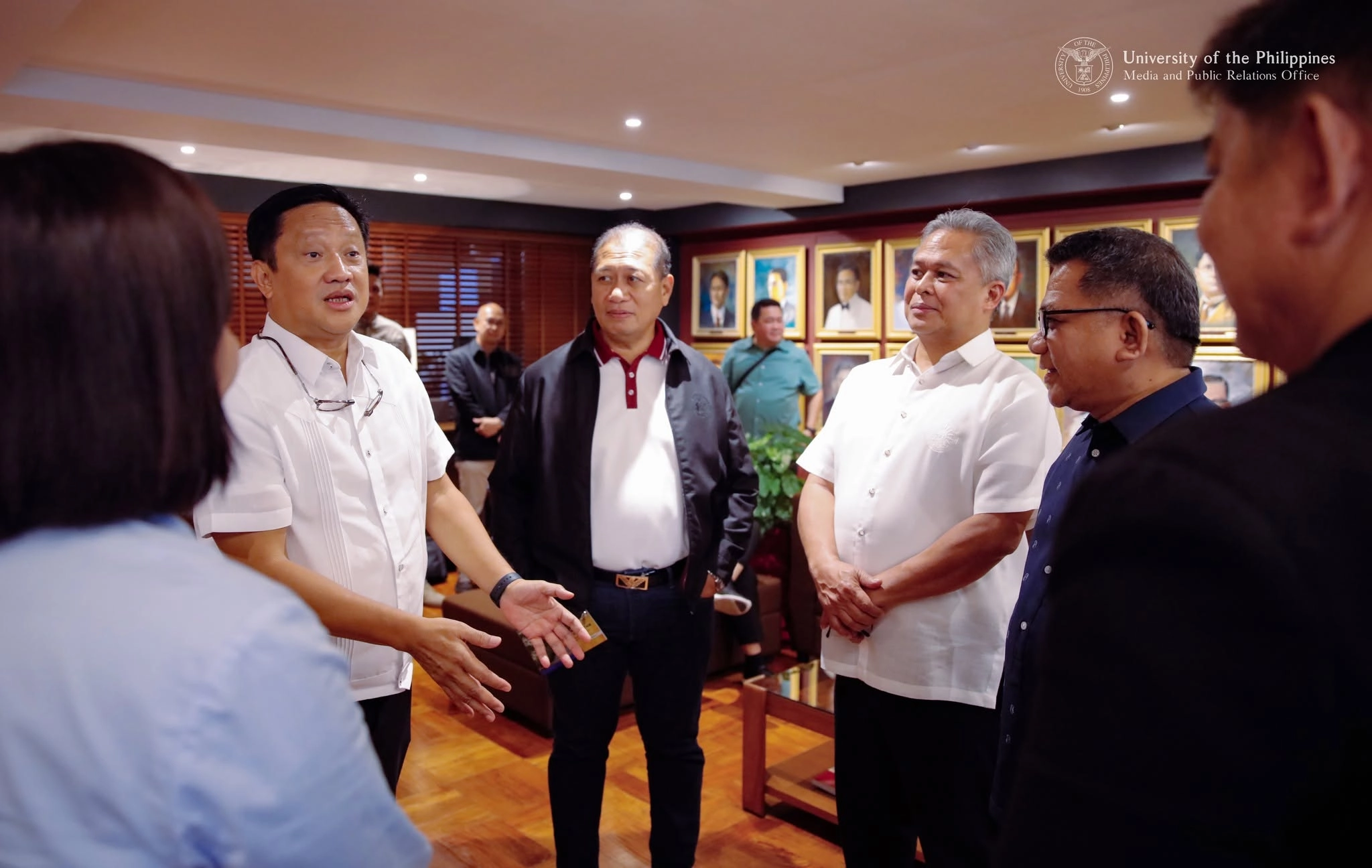
One subject clearly bothered him: infrastructure. His complaint was not simply that projects were delayed, but that UP did not always have sufficient internal capacity to bid out and supervise them, leaving much of that work to the DPWH—an agency that, judging from recent headlines, is hardly lily-white.
Aranton kept returning to project management and quality control. Even if another government agency funds or procures a building, UP remains its owner and eventual user and must be able to determine whether a contractor is capable, whether the work is progressing properly, and whether it meets University standards. He said the concern was eventually addressed under UP President Jimenez, whose administration created an office at the Assistant Vice President level focused on project management and quality control.
The cost of holding both positions was harder to measure. Asked how much time he had left for himself, Aranton’s answer was essentially none: there were regular meetings, UPAA work, the Board of Regents, travel, fundraising and events. He left the day-to-day running of his logistics business to his son and daughter, and with less of his own experience and attention going into it, he admits the business suffered a little.
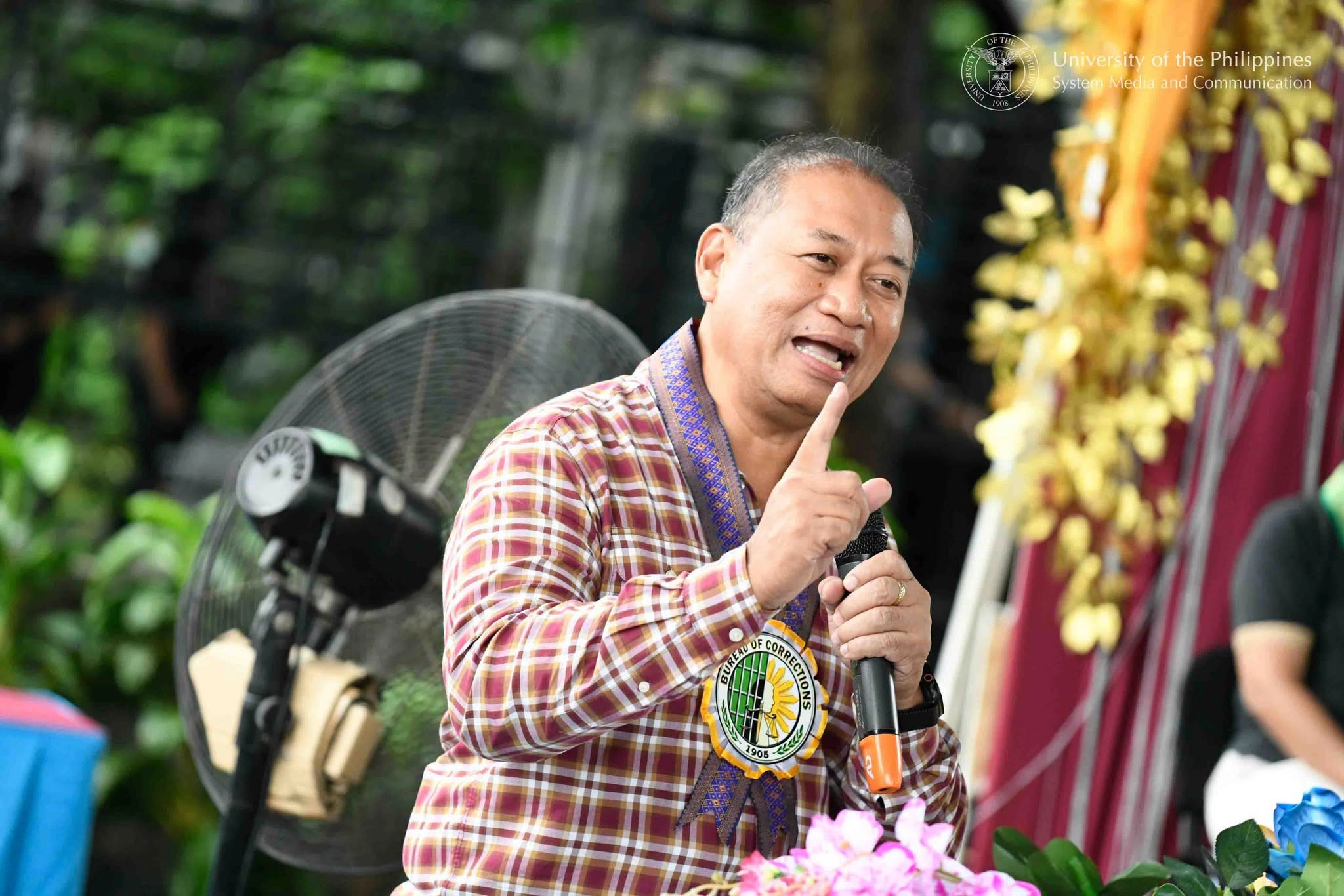
UPAA was still largely a voluntary organization, with much of the work depending on officers and directors who had their own jobs and obligations. Aranton was quick to credit Executive Director Yeye Marasigan and the secretariat for carrying much of the day-to-day load, but the association was not structured like a private company with a large professional staff. That made the demands on its president different from those of running his own business.
Asked about the cost to his family, Aranton’s answer was simple: they understood. He did not turn it into a story of personal sacrifice, nor was there any complaint attached to the answer. After three years in which UPAA and the Board of Regents took up much of his calendar, there was little more that needed to be said.
Which brings us back to the man who arrived at the Peninsula that Monday in jeans and a black shirt. For three years, much of his time had belonged to meetings, programs, donors, alumni and the University. Now the work had been turned over, the accounts rendered, and the measure of his term was there to be judged: the programs begun, the problems confronted, the institutions strengthened, and the money left behind. For the first time in three years, Robert Aranton could finally sit still—not because there was nothing left to do, but because his part in it was done.
About the Author
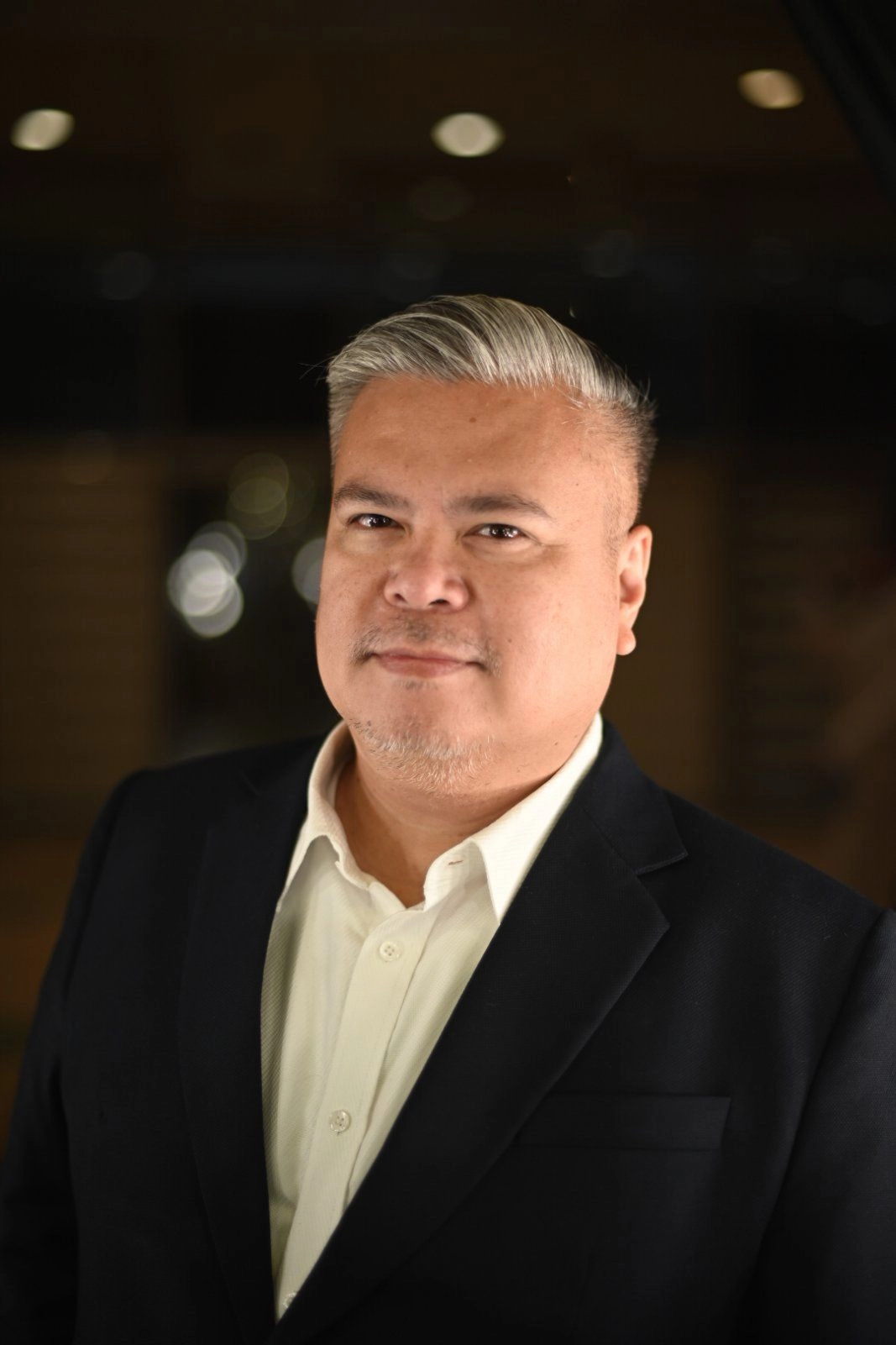
Javier P. Flores
A Juris Doctor from the University of the Philippines College of Law, he is a partner at the Flores & Ofrin Law Office, with expertise in corporation law, property, and litigation. Beyond the courtroom, Javi has made a name for himself as a publisher and editorial force. He is the co-owner of Milflores Publishing, a multi-awarded publishing house known for producing books that seek to elevate Filipino literature. He also founded League Magazine, a publication that spotlights the best governance practices of local leaders. Javi is also a two-time Master Photographer of the Camera Club of the Philippines. He was a former Associate Editor of the Philippine Collegian, the country’s oldest and longest-running student newspaper. Javi also served two terms on the Board of Editors for the Integrated Bar of the Philippines Law Journal.